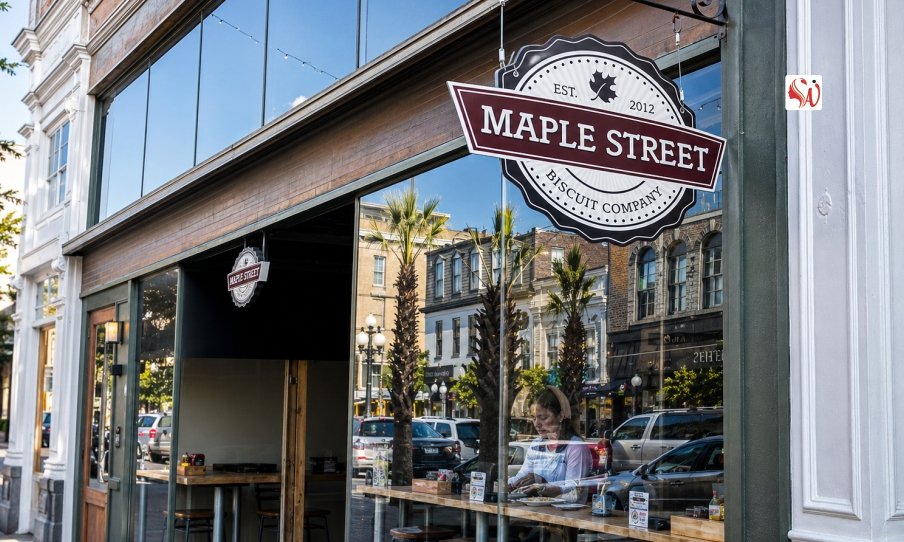
Southern hospitality and hearty meals are staples of many dining cultures across the country. The fast-casual restaurant space has undergone changes in recent years, as major players respond to shifting consumer preferences and rising operating costs. A number of corporations have been reorganizing their operations in the wake of changing priorities and a need to adapt to the realities of the market. Earlier this year, a significant development occurred in the restaurant industry. The news of Cracker Barrel selling maple street biscuit company was met with great interest among foodies. It became evident that the corporate management needed to make difficult decisions in order to stay profitable in the face of growing competition and shifting economic realities. For the breakfast lovers, the corporate restructuring has far-reaching implications, as it will shape the future of their favorite meal.
Recent Corporate Restructuring in Brief
The sale of maple street biscuit company marks a complete withdrawal from the fast-casual breakfast market. According to the agreement, thirty-five (35) restaurants and trademarks related to the brand will be sold to Biscuit Belly, an upscale casual dining network based in Louisville, Kentucky. Nevertheless, it is noteworthy that only sixteen (16) will continue to operate under the new ownership. Meanwhile, the parent company will benefit from the sale, as it will allow the management to channel resources back into its country store and dining company. Analysts believe that maple street biscuit company was a great value, offering a modern take on classic southern brunch fare. However, running two different restaurant concepts came at a high cost to the parent company. Divesting from one of them will allow management to sharpen its focus and boost adjusted earnings per share in the years ahead.
The Evolution and Growth of the Brand
To fully understand the context of this corporate sale, it is helpful to look back at the origins and initial expansion trajectory of the concept. Founded in 2012, maple street biscuit company established a loyal follower base by offering scratch-made biscuits, crispy fried chicken, and specialty coffee served in a warm, community-focused environment. Recognizing the growing popularity of premium breakfast offerings, Cracker Barrel acquired maple street biscuit company in 2019 for thirty-six million dollars when the brand operated thirty-three total units. The strategic goal at the time was to scale the concept rapidly across new regional markets while attracting a younger demographic seeking modern breakfast options. Over the subsequent years, expansion continued, but rising labor costs, real estate challenges, and broader economic inflation eventually presented operational difficulties. When corporate executives evaluated their long-term growth portfolio during recent financial reviews, they recognized that maintaining a secondary fast casual chain required disproportionate resources. Consequently, the strategic decision was made to divest maple street biscuit company and realign organizational priorities.
What Lies Ahead for Customers and Locations
For everyday guests and local communities, the primary question centers on what the dining experience will look like moving forward under new ownership. The acquiring organization plans to integrate the newly acquired units into its existing store network over a two-year transition period scheduled to begin in early 2027. This acquisition will nearly triple the geographic footprint of the acquiring brand, bringing its total operating count close to sixty restaurants across multiple states. Representatives emphasized that the locations previously operating as maple street biscuit company feature ideal real estate designs and experienced store personnel that align smoothly with long-term expansion goals. During the multi-year transition, acquiring leadership intends to invest in existing employees while gradually updating menu boards, interior decor, and overall concept branding. Loyal patrons of maple street biscuit company can expect a smooth continuation of high-quality Southern breakfast favorites during the interim, even as store signage and menu variations evolve over time.
Refocusing on Core Brand Identity and Financial Health
Beyond the divestiture of the fast casual division, the overall corporate strategy involves aggressive steps to strengthen the balance sheet and simplify daily operations. Alongside the brand sale, the company completed a sale-leaseback transaction for twenty-six company-owned real estate properties, generating approximately seventy-seven million dollars in net cash proceeds to pay down existing debt. Financial leadership projected that shedding the secondary division will enhance overall profitability and help the organization meet or exceed its annual financial targets. Rather than dividing executive focus between two distinct dining models, management can now dedicate its entire energy toward modernizing flagship store layouts, updating marketing campaigns, and refining core menu items. Ultimately, the departure from maple street biscuit company underscores a widespread industry trend where restaurant corporations are choosing operational simplicity and financial discipline over aggressive multi-brand expansion.