Marketing has become one of the most influential forces shaping how modern businesses grow, compete, and build lasting relationships. In industries where engineering expertise, consultancy, and business transformation converge, marketing is no longer limited to visibility or promotion. It plays a critical role in understanding markets, identifying opportunities, strengthening reputation, and guiding strategic decisions. The leaders who thrive in this environment are those who can connect commercial objectives with a genuine understanding of people and create value that extends well beyond campaigns.
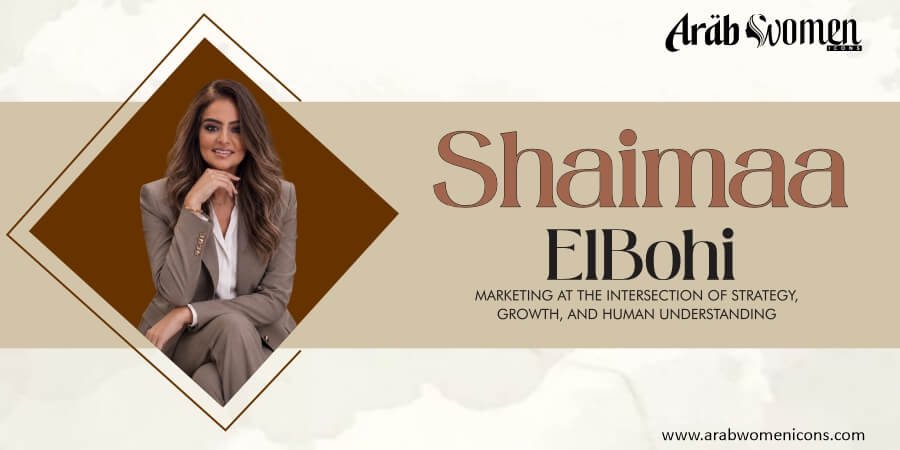
Shaimaa Bohi, Marketing Director at Constructive, has built her career around that belief. Her journey into marketing began with a deep curiosity about how businesses evolve, how markets change, and how organizations build meaningful relationships with customers and stakeholders. Over the years, she has worked across telecommunications, manufacturing, engineering, and consultancy, experiences that broadened her understanding of how organizations operate and how sustainable growth is created.
A defining turning point in her career came when she moved from functional marketing responsibilities into executive-level strategic planning. That transition reshaped her perspective on success, shifting the focus from campaign performance to marketing’s contribution to business growth, market positioning, client relationships, and long-term organizational value. Today, she sees marketing as a strategic business function that helps organizations make better decisions, support expansion, and build trust in increasingly competitive markets.
Her leadership approach is grounded in continuous learning, adaptability, collaboration, and the conviction that the strongest outcomes emerge when people, strategy, and innovation work together.
Marketing as a Strategic Growth Driver
Shaimaa Bohi believes the role of marketing has changed more in the last decade than many industries have in a generation. What was once viewed primarily as a communication function has become a central force in shaping business direction, market positioning, and long-term growth. Modern marketing leaders, in her view, are expected to understand markets, identify opportunities, and contribute directly to organizational performance.
One of the most important changes has been the rise of data-driven decision-making. Creativity remains indispensable, but it is no longer enough on its own. Effective marketing now requires the ability to combine creative thinking with analytics, insights, and clearly measurable objectives.
Technology has also transformed the way organizations engage with customers and stakeholders. Yet Shaimaa sees technology as a tool that should deepen human understanding rather than replace it. The brands that continue to lead are those that understand people, build trust, and deliver meaningful value. Successful marketing leadership, she believes, depends on balancing creativity, business insight, technological awareness, and the willingness to adapt continuously.
Where Creativity Meets Business Performance
Shaimaa Bohi does not see creativity and measurable results as opposing forces. In her experience, the strongest marketing strategies are those where creative thinking serves a clear business objective and where performance can be evaluated through meaningful outcomes.
Her process begins by understanding what the organization is trying to achieve, whether that involves strengthening brand positioning, entering new markets, supporting business development, or improving stakeholder engagement. Every marketing initiative should have a defined purpose before any campaign or creative execution begins.
Creativity is then used to deliver the right message in a way that resonates with the target audience. Measurement remains equally important. Rather than focusing only on traditional marketing metrics, she looks at indicators that reflect business value, including market perception, client engagement, lead quality, and contribution to organizational growth.
The campaigns she values most are not necessarily the ones that attract the greatest attention. They are the ones that solve real business problems and create sustainable value over time.
The Power of Market Understanding
Every successful strategic initiative, according to Shaimaa Bohi, starts with understanding the market before trying to influence it. She believes sound decisions should be grounded in insight rather than assumption.
Her approach brings together market research, customer understanding, competitive analysis, and industry intelligence to build a comprehensive view of opportunities and challenges. Having worked on business plans and market studies across different sectors and regions, she has learned that understanding a market means looking beyond customer needs to include investment trends, competitive movements, and future growth potential.
Flexibility is equally important. Markets evolve, customer expectations shift, and new opportunities emerge constantly. Strategy, in her view, is not a fixed document but an ongoing process of learning and adaptation. Organizations that remain curious, gather meaningful insights, and make informed decisions are far better positioned than those that wait for market forces to dictate their next move.
The Digital Trends Shaping Egypt’s Business Future
Shaimaa Bohi sees digital transformation as something far broader than the adoption of new technologies. The real opportunity lies in using technology to make better decisions and create stronger customer experiences.
She believes artificial intelligence, integrated digital platforms, automation, and data-driven customer experiences will have a major influence on how businesses understand their audiences, personalize communication, and improve decision-making over the coming years.
Technology alone, however, will not determine which brands succeed. Lasting advantage comes from combining innovation with genuine human understanding and using digital tools to strengthen relationships rather than simply increase efficiency.
In B2B sectors such as engineering and consultancy, credibility and expertise will become even more valuable. Digital platforms, knowledge-sharing, and thought leadership will help organizations demonstrate capability and build deeper connections with clients. Companies that use technology to become more valuable and trusted partners will be the ones that stand out.
Credibility as a Competitive Advantage
Shaimaa Bohi believes a strong brand is built through experience, trust, and consistent value rather than through logos or campaigns alone. Branding begins with understanding an organization’s purpose, values, and the promise it makes to the people it serves.
At Constructive, she focuses on building a brand that reflects expertise, reliability, and innovation. Every interaction, from client communication and relationships to project delivery and market presence, shapes how the organization is perceived.
This is particularly important in engineering and consultancy, where reputation and trust are often the foundation of long-term partnerships. Marketing may create visibility, but credibility is built through consistent performance. The brands that endure are the ones that not only communicate their capabilities but demonstrate them through every experience they deliver.
Communicating with Clarity During Change
Shaimaa Bohi sees corporate communication as one of the most important leadership tools during periods of growth and transformation. In her view, effective communication depends on maintaining a clear organizational identity while adapting the message for different audiences.
Her approach is built around communication frameworks that connect every message to the company’s strategic objectives. Whether engaging with clients, partners, employees, leadership teams, or the wider market, consistency comes from a shared understanding of the organization’s vision, values, and purpose.
Transparency becomes especially important when businesses are evolving. People place greater trust in organizations that communicate with clarity and confidence. Authentic communication, she believes, is not about saying everything. It is about ensuring that what an organization says genuinely reflects who it is. The strongest communication is created when what a company promises, delivers, and represents remains aligned.
Principles That Sustain Resilience
Three principles have guided Shaimaa Bohi consistently throughout her career: continuous learning, adaptability, and staying connected to purpose.
Her professional journey across telecommunications, project coordination, quality management, marketing, and corporate strategy has shown her that every experience adds a new perspective and strengthens professional capability.
She views adaptability not as changing direction constantly, but as continuously evolving and expanding the ability to create value. Markets change, technologies advance, and new challenges emerge, but professionals who remain curious, open to learning, and committed to growth are the ones who continue to make a meaningful impact.
Guidance for Aspiring Women Leaders
Shaimaa Bohi encourages aspiring women marketers and business leaders to invest equally in expertise and confidence. Technical skills remain important, but leadership also requires business understanding, communication ability, analytical thinking, and the courage to make decisions.
She believes many women already possess the capabilities needed for leadership yet sometimes underestimate the value of their own voice and perspective. Building an influential career takes time, and sustained growth comes from staying curious, embracing challenges, building strong relationships, and continuing to develop professionally.
Leadership is not about having every answer. It is about having the willingness to learn, inspire others, and create meaningful value through one’s work.
A Legacy Beyond Recognition
Being recognized among Egypt’s Most Iconic Women Leaders in Marketing to Watch is a milestone that Shaimaa Bohi regards as deeply meaningful. To her, it reflects years of dedication, continuous learning, and a commitment to professional growth.
She views the recognition not only as a personal achievement but also as a reflection of the increasingly strategic role marketing leaders play in driving business transformation. Throughout her career, she has come to believe that the true impact of marketing extends far beyond campaigns or titles. It lies in connecting people, encouraging innovation, supporting business growth, and creating environments where ideas can turn into meaningful results.
The legacy she hopes to leave is one that demonstrates marketing as a strategic force within organizations, a function capable of influencing growth, building trust, and creating lasting value. She also hopes to inspire the next generation of women leaders to pursue their ambitions with confidence, commit to continuous development, and recognize the influence they can have in shaping businesses and communities.
Success, in the end, is measured not only by personal achievements but by the value created and the people inspired along the way.
Developing the Next Generation of Marketing Leaders
Leadership, in Shaimaa’s view, is ultimately about helping people grow. She believes strong teams are built through trust, empowerment, and continuous development rather than through hierarchy alone.
When mentoring young marketing professionals, she encourages them to think beyond execution and understand the strategic impact of their work. Marketing today demands creativity, business awareness, analytical thinking, and the ability to connect daily activities with broader organizational goals.
She believes a leader’s greatest achievement is not only what they accomplish personally but what they enable others to accomplish. High-performing teams emerge when people feel valued, encouraged to contribute ideas, and confident enough to challenge conventional thinking. Investing in people creates teams that are more innovative, adaptable, and prepared for the future.
The Future of Customer Engagement
Looking toward the years ahead, Shaimaa believes the next phase of marketing will belong to organizations that combine technology, data, and human understanding in a meaningful way.
Artificial intelligence, automation, and advanced analytics will continue to reshape how brands understand customer behaviour and make strategic decisions. Yet she does not see technology as the end goal. Instead, it is a tool that should help organizations create better experiences and build stronger relationships.
Within engineering and consultancy, digital transformation is already changing how value is created and communicated. Technologies such as BIM, digital platforms, and data-driven solutions are improving project delivery while also providing new ways to demonstrate expertise and transparency.
The companies that will lead the future are those that use technology with purpose and combine innovation with trust, collaboration, and a genuine understanding of client needs.