In the food and FMCG industry, a brand becomes part of everyday life in ways that often go unnoticed. It sits on family tables, becomes part of routines, and earns trust through the small experiences that happen again and again. Behind that familiarity is a constant effort to understand people, build meaningful connections, and ensure that what a brand promises is reflected in every interaction.
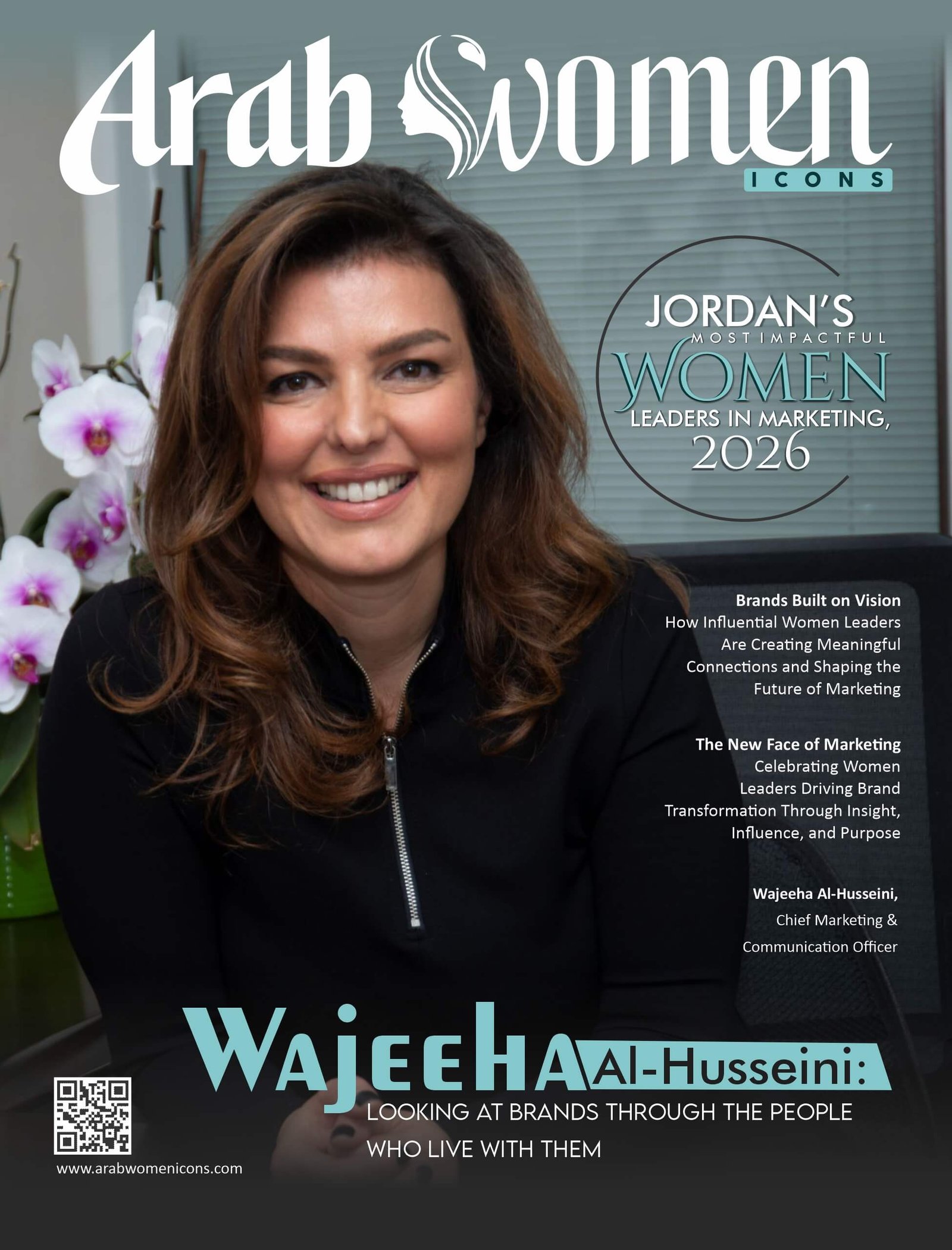
Bringing this perspective to Alyoum Company is Wajeeha Al-Husseini, Chief Marketing & Communication Officer, a marketing and communications leader with extensive experience across branding, corporate communication, product launches, and integrated campaigns. Her work has been shaped by a strong understanding of how brands grow, communicate, and remain relevant in competitive markets.
Across her career, Wajeeha Al-Husseini has worked on brand development and identity, events, public relations, sponsorships, and media relations, combining creative thinking with careful planning and analysis. She has also led corporate branding initiatives, protected brand identities, and developed communication campaigns designed to connect businesses with their audiences.
Wajeeha Al-Husseini experience has given her the ability to bring different teams and priorities together around a common business goal. At the same time, her working style is rooted in independence, energy, and a willingness to take responsibility. She approaches marketing not simply as a function of communication, but as a space where creativity, business understanding, and human behaviour come together.
Aligning Creativity with Human Behaviour
Marketing first drew Wajeeha through three things: creativity, storytelling, and people. Every purchase, she believes, carries a story. As a consumer herself, she has always been fascinated by the way the right message, trust in a brand, and personal experiences can influence a choice. Marketing, in her view, sits at the crossroads of human behaviour and business.
Wajeeha Al-Husseini journey began on the agency side, where she learned how to shape ideas and build compelling stories. Moving to the client side across sectors including telecom, real estate, aviation, and FMCG gave her a closer view of how businesses operate from within. Her time leading MEMAC Ogilvy Jordan offered another perspective, showing her that the strongest brands are built through discipline rather than luck.
Each role added another layer to her understanding of business and branding. One belief remained constant throughout her career: a brand is a promise, and her role is to help businesses keep that promise.
A Brand Earns Its Place at the Table
Alyoum operates in a business where trust is part of the everyday relationship with consumers. Its products reach family tables regularly, making market presence less about creating noise and more about earning a place in people’s routines and keeping it.
Wajeeha Al-Husseini’s priorities centre on three areas. The first is portfolio clarity, ensuring that every brand across dairy, bakery, and retail has a clear role without competing with the others. The second is distinctiveness. Operating in crowded and price-sensitive categories requires brands to be recognizable and consistently relevant to consumers.
The third is reach and execution. A strong brand idea means little if the product is not on the shelf, visible, and available where shoppers make their purchases. Brand equity and commercial execution, she believes, have to work together.
The Discipline of Staying True to a Brand
Trust sits at the heart of a memorable brand. Delivering consistently on promises of quality and freshness is itself a point of distinction, particularly in a highly competitive FMCG market where consumers often choose brands they already know and trust.
Wajeeha Al-Husseini believes distinctiveness matters more than simply being different. The strongest brands build loyalty by delivering what consumers expect while maintaining a clear and recognizable identity. Her approach is straightforward: deliver on the promise, resist the urge to constantly reinvent, and maintain a consistent voice. Successful food brands connect with familiar human emotions such as comfort, care, belonging, and pride in what is local.
Distinctive brand assets help a product get noticed, while emotional relevance gives consumers a reason to choose it. Consistency remains critical because, in her view, many brands struggle not because they lack ideas, but because they lack the discipline to stay true to them.
Adapting Campaigns to a Fragmented Media World
The fundamentals of campaign planning have remained much the same. A strong insight and a clear idea still matter. What has changed is the environment in which those ideas reach consumers.
Marketing has moved from campaign bursts to an always-on approach, from speaking at consumers to being part of conversations with them, and from a limited number of channels to a highly fragmented media landscape. This has created a greater need for agility and more content that can be developed and delivered quickly.
At the same time, Wajeeha remains cautious about chasing every new platform. The challenge is to maintain the balance between long-term brand building and short-term activation, particularly when there is constant pressure to focus on immediate sales. Channels will continue to evolve, but human behaviour remains the constant.
Connecting Creative Ideas with Commercial Purpose
Creativity and commercial thinking work best when they support each other. Creativity without a connection to the business can become decoration, while commercial discipline without creativity can turn into a spreadsheet that nobody remembers.
Wajeeha Al-Husseini starts every brief with a business question: what needs to move, and who needs to be moved? Establishing that purpose gives the creative team a clear destination while leaving room to develop meaningful ideas.
The process does not end with the campaign going live. Measurement helps the team understand what is working, learn from the results, and build the case for continued investment.
Reading the Numbers Without Losing the People
Data serves as a compass in modern marketing. Sell-out figures, panel data, retail POS information, and digital analytics help the business understand what is actually happening without relying on personal opinion or assumptions. In a business where margins can be tight, marketing decisions need a strong grounding in numbers.
Yet data alone cannot explain the reasons behind consumer behaviour. Understanding the why still requires human insight. That comes through observation, research, and conversations with consumers and customers to understand their motivations and behaviour. The most meaningful decisions, Wajeeha believes, emerge when what is measurable is combined with what is human.
The Energy Behind the Work
Demanding campaigns test more than ideas. They test a team’s energy and resilience. Wajeeha believes people do their best work when they understand why the work matters, have ownership of a meaningful part of it, and feel supported when pressure rises.
Wajeeha Al-Husseini leadership approach is to lead the energy rather than simply demand it. She stays calm and visible when things become intense, removes obstacles quickly, and makes a clear distinction between what needs attention and what can wait. She also believes in celebrating achievements openly. She further adds that creative people thrive on meaning and momentum. Give them purpose and recognition, she believes, and productivity follows naturally.
Staying Steady in a Fast-Moving Marketing World
Digital platforms and changing consumer behaviour have transformed the marketing leader’s role. Campaign planning today requires a combination of strategy, analysis, and storytelling. The boundaries between marketing, content, and commerce have also become less defined, with retail media and social commerce bringing the shelf and the screen closer together.
Consumers are more informed, more vocal, and less patient. Against this backdrop, Wajeeha believes one of the most important responsibilities of a marketing leader is to remain steadfast and keep sight of the long term.
Trends will continue to come and go. The challenge is knowing which ones deserve attention and which ones can be ignored while keeping the brand’s direction steady.
Finding Energy in the Long Race
Problem-solving remains one of Wajeeha’s biggest sources of motivation. Seeing a brand move because of a decision the team has made keeps her energized and engaged. Her approach to endurance also shapes the way she works. Discipline, showing up, pacing yourself, and trusting that consistency will eventually produce results are principles she sees reflected in strong brand building. High-pressure initiatives become training sprints that build the stamina needed for the longer race.
Wajeeha Al-Husseini people are another source of motivation. Watching team members grow and learn continues to give her a sense of purpose. She wants to build brands that belong in their markets and stand the test of time, while leading teams capable of creating a meaningful impact.
The Competitive Advantage of Patience
One of the biggest leadership lessons Wajeeha has learned is that patience can be a competitive advantage. Working first with clients and later inside organizations exposed her to the constant pressure marketers face for short-term wins, whether that means a promotion, a quick sales spike, or a strong number at the end of the month.
Over time, she learned that brand equity compounds quietly. The biggest returns often come from consistency and considered action rather than constant reaction.
Wajeeha Al-Husseini also wishes she had trusted herself earlier and defended her thinking more confidently. Closely connected to that lesson is another: influence matters more than authority. Strong marketing leaders do not succeed because of their title. They bring sales, finance, and supply chain along with them. Creating that alignment is a significant part of the job.
The Next Generation of Brands Will Need Both
Wajeeha Al-Husseini sees AI reshaping the way marketing teams work, not by replacing judgement or creativity, but by reducing mechanical tasks and creating more room for strategy and creative thinking. Used well, it can help teams spend more time on what truly matters.
She is equally excited by the rapid evolution of the regional consumer, who is becoming increasingly digitally fluent, health-conscious, and proud of local products and identity. This presents a meaningful opportunity for food businesses to create brands that feel modern while remaining deeply rooted.
Retail media is also changing how brands reach shoppers at the point of purchase. The coming years, in her view, will call for brands that are both data-smart and human. Interestingly, she sees this human side as something AI cannot replace.
“Learn the Business Before Chasing the Trend”
Wajeeha Al-Husseini’s advice to young marketers begins with understanding the business. Learning the commercial side early, including margins, pricing, distribution, and the way a company actually makes money, gives marketers a stronger place in important business conversations.
Creative ability matters, but understanding how the business works can earn marketers a seat at the table where major decisions are made.
Staying close to the consumer is equally important. Tools and platforms will continue to change, but human behaviour will not. Young marketers should first master the fundamentals of insight and positioning before following every new trend.
Wajeeha Al-Husseini’s final advice is to remain resilient and patient. Marketing is a long game. Developing both creative and analytical strengths, then using those skills to teach and lead others, can shape the foundation of a lasting career.