Behind every successful business operation is a network of decisions that determine how resources are sourced, relationships are managed and value is created. Procurement plays an important role in this process, extending well beyond purchasing to influence supply chain efficiency, cost management and the strength of partnerships across an organisation. It calls for professionals who can balance commercial priorities with long-term strategic thinking.
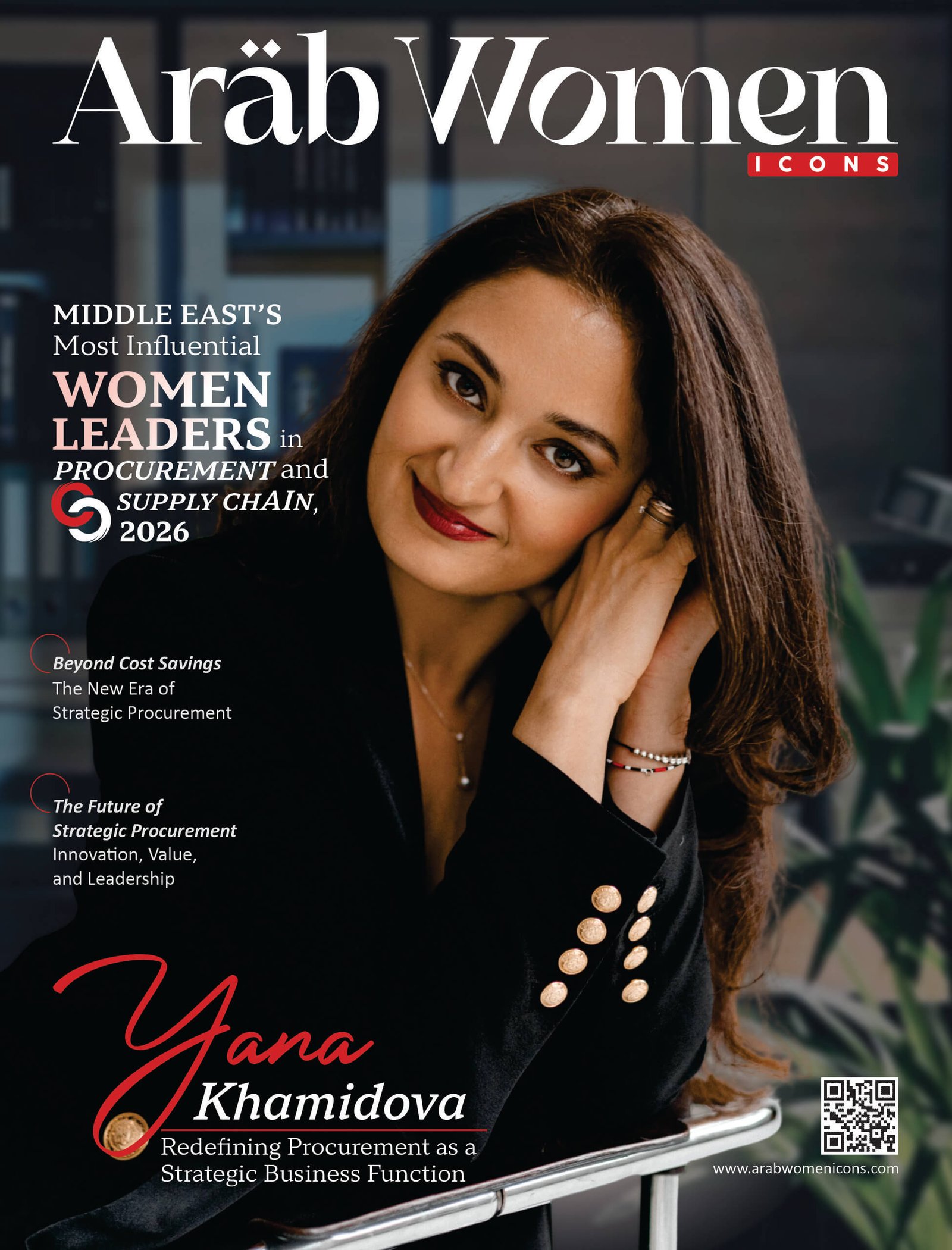
Bringing this perspective to her role is Yana Khamidova, Head of Indirect Procurement Middle East at L’Oréal, a procurement professional with more than 15 years of experience in procurement management, supply chain management and strategic category sourcing. Her career has been shaped by a focus on developing effective purchasing strategies, identifying cost-saving opportunities and improving operational efficiencies while maintaining strong working relationships with internal stakeholders and external suppliers.
Yana’s approach combines commercial awareness with a collaborative working style. She values the importance of building relationships across different levels of an organisation, understanding stakeholder requirements and working collectively towards shared objectives. Equally comfortable taking initiative and contributing as part of a team, she approaches new challenges with a results-driven mindset and a continued focus on making procurement decisions deliver meaningful business value.
Finding Her Place in Procurement
Yana’s introduction to procurement came through her first manager, who remains a mentor and friend. She described procurement as an art, an idea that immediately resonated with Yana. The function sits at the intersection of finance, marketing, public relations, communications, supply chain and operations. It requires someone who can understand different disciplines, work with diverse teams and manage a wide range of priorities.
That combination appealed to her. She felt naturally aligned with the demands and character of the profession, and that connection has remained consistent throughout her career.
Building a Procurement Function from the Ground Up
Her experience at L’Oréal Hong Kong had a particularly strong influence on her development as a procurement leader. At the time, the organization’s procurement function was at an early stage, with limited operational structure, no established team and no database.
Yana was responsible for developing the function from the ground up. Her work included hiring a team, establishing policies, managing requests for proposals, concluding contracts and implementing a procurement ERP system as a pilot across the global L’Oréal organization.
Handling these responsibilities simultaneously expanded her capabilities as both a procurement and team leader. It also strengthened her ability to adapt to changing demands, an experience that helped shape her into a more agile leader.
From Sourcing Projects to Business Value
Over time, Yana’s understanding of procurement has moved beyond individual sourcing projects towards its contribution to broader business performance.
At Pfizer, she developed category strategies and introduced new pricing models. At L’Oréal, she piloted procurement technology and strengthened analytical capabilities. In her current role, her focus is on a multi-year roadmap, value creation and innovation.
This progression has shaped how she views procurement decisions. They should contribute not only to financial performance but also to the wider growth of the business.
Connecting Procurement with Business Priorities
As Procurement Director at L’Oréal Middle East, Yana believes that people and communication are central to the function’s success. Understanding business needs, goals and priorities is where effective procurement begins.
Her approach starts with identifying the outcomes stakeholders expect. Those requirements are then translated into category and supplier strategies, particularly across marketing and media activities. The three-year roadmap provides a longer-term framework for balancing cost optimization with quality, operational requirements and opportunities to create additional business value.
She also looks beyond savings when identifying opportunities. Innovation can come from within the organization or from external sources, and procurement has a role in connecting those ideas with business needs. Digital tools, sourcing analytics and supplier collaboration have supported better decision-making and more effective processes throughout her career. In her experience, the strongest opportunities emerge when procurement engages stakeholders and suppliers early.
Measuring Value Beyond Immediate Savings
A procurement strategy should be assessed by the lasting value it creates, rather than short-term financial gains alone. Yana considers its impact across financial performance, quality, service, risk and innovation.
She also evaluates whether the supplier portfolio is appropriate for the category and whether the proposed strategy can be implemented effectively. This broader assessment helps establish whether procurement decisions can deliver sustainable value for the organization.
The Complexity of Indirect Procurement
Indirect procurement covers a wide range of activities that support business operations and shape how an organization connects with consumers. In the beauty and cosmetics industry, categories such as marketing, media, retail, travel and events have a direct role in supporting brand experience and business effectiveness.
Yana’s experience across marketing and media procurement, retail procurement at L’Oréal, and global travel and events at Prudential has given her an understanding of how closely sourcing decisions need to align with commercial objectives and brand requirements.
Managing such diverse categories requires a tailored approach. She begins by understanding each category’s business purpose, its stakeholders and the market in which it operates. Category analysis, sourcing plans and supplier management then help determine the right strategy.
Her experience spans marketing, media, travel, events, facilities, HR, IT and retail. Although each category has its own requirements, the decisions must remain connected to the organization’s wider priorities.
Responding to Changing Business Requirements
Changing consumer expectations and business priorities make it necessary to regularly review whether spending and requirements remain relevant. Yana has used market research and data throughout her category management experience to understand emerging trends and identify opportunities.
Her current focus also includes the role procurement can play in supporting innovation and business growth, while accounting for sustainability and evolving stakeholder needs. This calls for a continuous assessment of what the business requires and whether existing sourcing approaches still serve those needs.
Balancing Efficiency, Quality and Continuity
Yana approaches sourcing by first defining the requirement and understanding its potential business impact. Internal and external data then help her assess the market and develop suitable options.
At Prudential, she led sourcing processes across marketing, travel and events for 71 local business units. The work also involved risk management and supplier selection, reinforcing the importance of careful planning and stakeholder involvement.
The experience strengthened her view that sourcing decisions must account for full value and business continuity, not simply the quoted price. Cost efficiencies matter, but they should not come at the expense of service quality or operational stability.
Governance and Risk in Long-Term Sourcing
Supplier evaluation and long-term sourcing decisions require a balanced assessment of commercial value, supplier capability, operational continuity, governance and regulatory requirements.
At AIA, Yana led the implementation of third-party management across 27 local business units and supported sourcing governance across 18 countries. This experience shaped her approach to procurement risk: identify potential concerns early, involve the relevant stakeholders and establish appropriate governance within the decision-making process.
At the same time, risk management should not prevent organizations from recognizing opportunities for innovation and improvement. Both need to be considered when developing supplier relationships and making long-term commitments.
Advice for the Next Generation of Procurement Leaders
Yana advises aspiring procurement professionals to understand the business as deeply as they understand procurement itself. Analytical ability, negotiation and stakeholder management are essential, but so is gaining experience across different categories, markets and functions.
Her own career, from category management at Pfizer to procurement leadership at L’Oréal and global sourcing roles at Prudential and AIA, has reinforced the importance of curiosity and an entrepreneurial mindset. Adapting to different environments and remaining focused on outcomes that matter to the business have been central to her professional development.
For her, becoming a strategic procurement leader means looking beyond the immediate transaction and understanding how every sourcing decision contributes to the organization.