Nowhere is change more quietly felt than where old customs meet new choices, especially through the lives of women in Arab communities. Not held back by expectation, many move forward with purpose, shaped by belief yet open to growth. Behind every decision stands a mix of courage and care passed down through generations. Some build on legacies long overlooked, others step into roles once unseen – each path different, none less meaningful. Progress here does not erase history; it walks beside it.
Home means more than just a place for many Arab women – it holds stories, roots, ties that bind. Respect flows through daily life, quietly present in gestures, speech, shared moments. Strong bonds grow not only among parents and children but also cousins, aunts, neighbors – everyone woven into one fabric. Unity shows up in choices big and small, shaped by years of shared experience. Responsibility carries weight, felt without being spoken aloud. Connections stretch wide, turning villages or city blocks into circles of support. Tradition isn’t marked on calendars; it lives in routines passed hand to hand.
Cultural Roots and Traditional Values
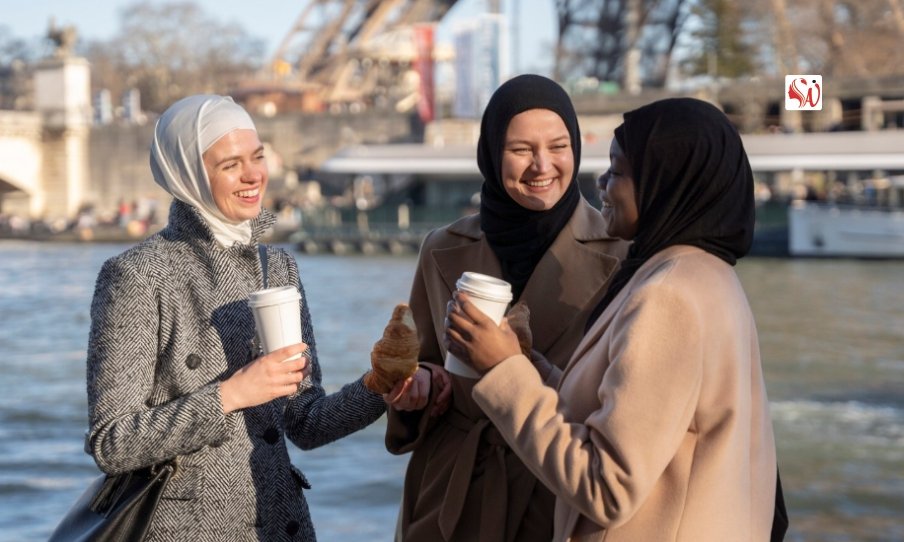
Everyday habits shape how people dress, speak, leave traces on interactions. Though garments like the hijab or abaya carry meanings tied to dignity and identity, they are worn by some simply because they want to. From one nation to another, what feels ordinary shifts – customs stretch wide across towns, cities, regions. What seems uniform at glance reveals deep variety up close.
Not every arab woman lives the same kind of life, even if people assume otherwise. Because location changes things, so does schooling – money matters too. You start seeing depth once you notice these differences add up slowly.
Education, Careers, and Changing Opportunities
In recent decades, access to education has transformed the lives of arab women. Universities across the region have seen a significant rise in female enrollment, with women excelling in fields such as medicine, engineering, business, and the arts. Education has become a key driver of empowerment, opening doors to new opportunities and independence.
Professional spaces are also evolving. More arab women are entering the workforce, launching businesses, and taking on leadership roles in both public and private sectors. From entrepreneurs to policymakers, their contributions are reshaping economies and challenging traditional expectations.
Governments and organizations have introduced reforms aimed at increasing female participation in various industries. While progress varies by country, the overall trajectory points toward greater inclusion and recognition of women’s capabilities. These changes reflect a broader shift in societal attitudes, where ambition and achievement are increasingly encouraged.
Balancing Tradition and Modern Identity
One of the most compelling aspects of arab women today is their ability to navigate between tradition and modernity. Many women embrace contemporary lifestyles while staying connected to their cultural roots. This balance is evident in how they express themselves, whether through fashion, language, or career choices.
Technology and social media have played a significant role in this transformation. Platforms like Instagram, YouTube, and LinkedIn have given women a voice to share their stories, showcase talents, and connect with global audiences. Influencers, activists, and creatives are using these tools to challenge stereotypes and redefine perceptions.
At the same time, cultural expectations can still present challenges. Issues such as societal pressure, gender norms, and legal limitations continue to affect women in certain regions. However, many arab women are actively engaging in conversations around these topics, advocating for change while respecting their cultural context.
Representation, Voices, and Future Perspectives
Representation matters, and arab women are increasingly visible in global conversations. Whether in media, politics, literature, or science, their voices are gaining recognition and influence. This visibility helps break down misconceptions and highlights the diversity within the Arab world.
Storytelling has become a powerful tool for change. Writers, filmmakers, and artists are sharing narratives that reflect authentic experiences, offering a more nuanced understanding of women’s lives. These stories not only inspire but also create space for dialogue and empathy.
Looking ahead, the future for arab women is filled with potential. Continued investment in education, policy reforms, and cultural exchange will play a crucial role in shaping this journey. As more women step into leadership roles and influence decision-making, their impact will extend beyond regional boundaries.
The journey of arab women is one of transformation, resilience, and evolving identity. Rooted in rich cultural traditions yet open to change, they represent a dynamic force within society. Their contributions across various fields continue to challenge stereotypes and inspire future generations.
Understanding arab women requires moving beyond assumptions and recognizing the diversity of their experiences. As they continue to shape their own narratives, they stand as a testament to the power of balance—honoring the past while embracing the future.