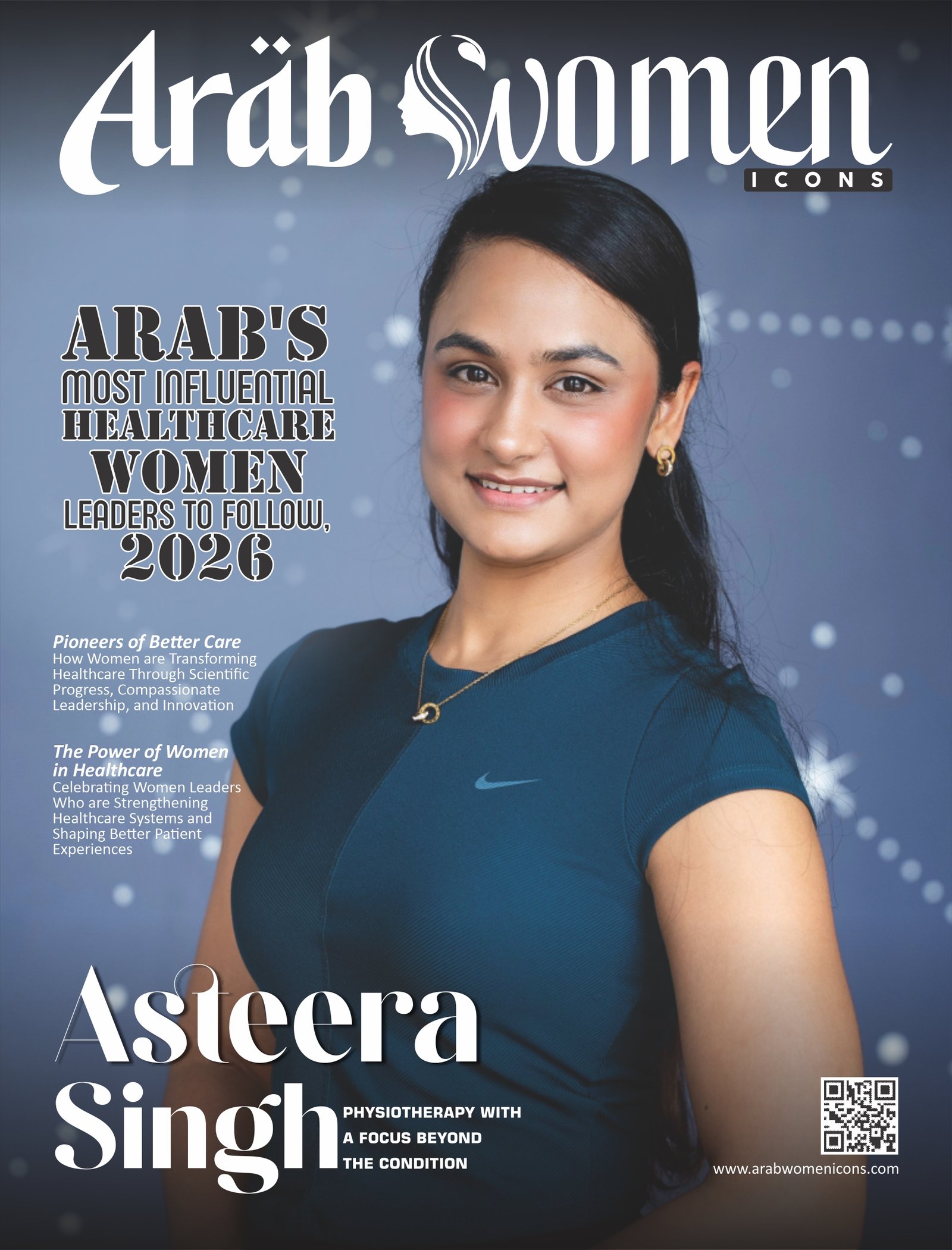
Physiotherapy goes beyond treating injuries. It helps people regain movement, rebuild confidence in their bodies, and return to the activities that give their lives meaning. Every patient brings a different story, making rehabilitation as much about understanding the person as it is about treating the condition.
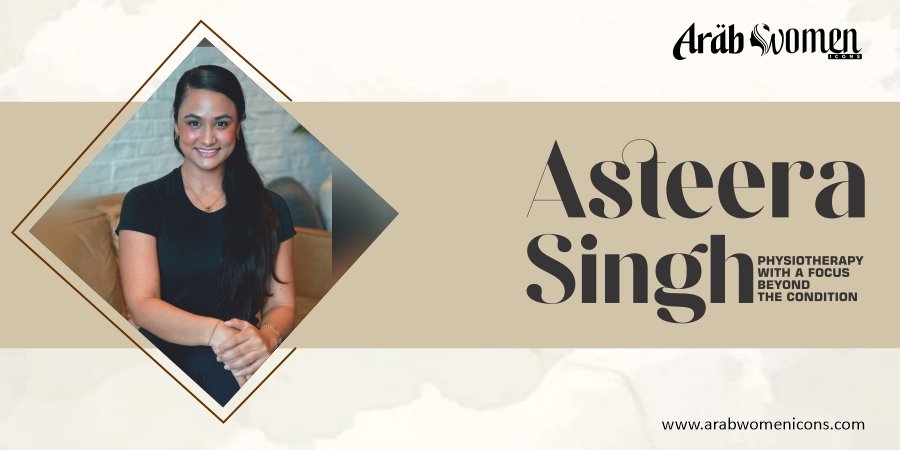
Asteera Singh, a South African physiotherapist, has built her career around this connection between movement and recovery. She studied at the University of KwaZulu-Natal and went on to train in dry needling and musculoskeletal disorders, completed postgraduate studies in Orthopaedic Manual Therapy with the South African Society of Physiotherapy, and earned her Comprehensive and Mentor Pilates teaching qualification from BASI Pilates.
Over the past eleven years, Asteera has worked closely with neuro and orthopaedic surgeons in South African hospitals, treating patients before and after surgery. Alongside her hospital work, she also ran a sports and orthopaedic practice, working with both recreational and professional athletes. She then continued, and currently is, working in private practice in the UAE for the past 5 years, treating a broad range of musculoskeletal/ orthopaedic conditions.
Her passion for sports and musculoskeletal care comes from helping people return to the lives they want to lead. Her approach focuses on restoring function, building strength and confidence, and helping patients become more independent in their recovery.
Outside the clinic, Asteera enjoys swimming, netball, yoga, and Pilates. She also loves the outdoors, exploring new places, and discovering hidden gems. That same curiosity continues to shape both her professional journey and her outlook on life.
Finding Her Way into Physiotherapy
Asteera did not begin her career journey knowing that physiotherapy was exactly where she would end up. She knew she wanted to work in medicine, but the traditional path of becoming a general practitioner never felt quite right. What drew her towards physiotherapy was her curiosity about the human body, how it works, how it adapts, and how movement can influence recovery.
An active lifestyle also shaped that interest. Swimming, netball, and running were a big part of her life, and experiencing injuries herself gave her a personal understanding of what it feels like when the body suddenly becomes the very thing preventing you from doing what you love.
Her physiotherapy degree at the University of KwaZulu-Natal brought together anatomy, physiology, practical learning, and patient interaction. Her early clinical years then introduced her to a wide range of patients, from intensive care and surgical cases to neurological and musculoskeletal conditions.
That exposure became an important part of how she eventually practiced. Before moving into sports and orthopaedics, she had already seen how closely connected different parts of the body can be and how differently people respond to illness, injury, and rehabilitation.
Bringing Different Perspectives into Patient Care
Each area of Asteera’s training has added another layer to her understanding of movement and rehabilitation. Dry needling became an important part of her musculoskeletal practice. When appropriate, she uses it to address muscular restriction or trigger points and create an opportunity for more effective active rehabilitation. She views it as one step towards helping a patient move better rather than treating it as the treatment itself.
Her postgraduate training in Orthopaedic Manual Therapy and TrAIn Pain Level 1 further developed her clinical reasoning, particularly around pain, movement, and the nervous system. It also strengthened her belief in understanding the person rather than simply treating the structure that appears to be painful.
Pilates brought another perspective through movement control, loading, and exercise prescription. More recently, her Lagree training and work assisting with functional anatomy and biomechanics education have continued to broaden that knowledge.
These qualifications have become part of a larger understanding of how people move and how the body can be progressively challenged. Ultimately, Asteera wants treatment to lead somewhere. Manual therapy and other interventions may have their place, but the goal is to help people develop strength, confidence, awareness, and ultimately independence.
Lessons from Complex Neurological and Spinal Cases
Asteera’s early career brought her into contact with some remarkably complex neurological and spinal cases. As early as her third year of university, she was treating patients with spinal cord injuries caused by gunshot wounds, stab wounds, and motor vehicle accidents, alongside patients experiencing neurological complications related to tuberculosis.
One case that has stayed with her involved a nine-year-old child who had undergone brain surgery to remove bullet fragments from his skull. His rehabilitation included sitting and trunk control, midline orientation, assisted gait training, and upper-limb control.
Seeing his progress and, eventually, his enormous smile reminded her that rehabilitation is about much more than physical milestones.
Another patient had suffered multiple spinal injuries and a pelvic fracture following a serious accident. His rehabilitation started in ICU with airway clearance and chest physiotherapy before progressing into intensive strength and gait rehabilitation. Months later, he was able to walk independently.
These experiences taught Asteera that complex rehabilitation demands patience, adaptability, and an acceptance that recovery rarely follows a straight path. They also taught her to look beyond the obvious injury. The body constantly compensates, adapts, and communicates, and understanding those responses has remained valuable throughout her work in sports and orthopaedics.
Supporting Recovery Before and After Surgery
Physiotherapy has an important place both before and after orthopaedic or neurological surgery. Before elective surgery, Asteera believes psychological preparation can sometimes be overlooked. Patients benefit from knowing what the procedure involves, what recovery may look like, and what will be expected of them afterwards. Where appropriate, physiotherapy can also help maintain movement and strength around the affected area without compromising the surgical site.
After surgery, rehabilitation becomes a careful balance between respecting the healing process and gradually restoring function. Understanding tissue-healing timelines, surgical restrictions, medication effects, and the patient’s experience of pain is essential. The goal is not only to restore functional movement but also to rebuild confidence in movement.
Setbacks can happen, particularly after major surgery or an ICU stay. Rehabilitation therefore also carries a motivational and educational responsibility. Asteera sees surgery and physiotherapy as complementary. Surgery can address an anatomical problem, while rehabilitation helps a person learn how to use their body again, move, load, and function with confidence.
Learning Through Her Own Practice
Asteera no longer owns the sports and orthopaedic practice she established in South Africa. She handed it over to another practitioner when she moved to Dubai. At the time, however, running her own practice alongside hospital work became one of the most valuable stages of her professional development.
Physiotherapy involves an enormous amount of information, and having her own practice gave her a less pressured environment in which to consolidate what she had learned, strengthen her clinical reasoning, and develop her own approach to patient care. She deliberately continued working in a hospital because she wanted to retain that exposure and maintain her relationships with doctors and other healthcare professionals. The two settings complemented each other.
Her practice also gave her the freedom to continue studying and apply her Orthopaedic Manual Therapy learning directly to patients. She developed treatment protocols that incorporated different approaches, including low-level light therapy and EMS, when clinically appropriate.
The greatest value of owning a practice was not simply the business itself. It was the opportunity to learn how to think clinically, make independent decisions, and take responsibility for the complete patient journey.
Understanding What the Athlete Needs
Treating athletes comes with a different set of pressures, particularly because of what is at stake when they cannot perform. Asteera has worked with athletes ranging from junior and senior professional rugby players to Olympic sprinters, Ironman triathletes, and national-level MMA fighters. For professional athletes, their physical ability is closely connected to their livelihood, which can create considerable pressure to return to training and competition.
Some professional athletes can also be reluctant to acknowledge pain because their instinct is to keep going. Asteera therefore pays attention not only to what they say but also to movement, compensation, body language, and how they respond to loading.
Rehabilitation has to reflect the demands of the particular sport. Being pain-free is not, by itself, enough to return someone safely to an activity that places significant physical demands on the body. Rehabilitation needs to prepare the athlete for those demands.
Recreational athletes may have more flexibility around timelines, but their goals matter just as much. Asteera rarely believes that completely stopping movement should automatically be the answer. Often, the more useful question is how movement can be modified and adapted while allowing the body to recover.
Making Movement Part of Everyday Health
Asteera considers physical activity fundamental to long-term health. Our understanding of skeletal muscle has grown considerably, and it is now clear that muscle is not simply responsible for movement. It is active tissue that communicates with other systems in the body. Exercise also supports cardiovascular health, bone health, and psychological wellbeing. The good news, she believes, is that people do not need an elaborate exercise programme to start moving more.
Simple habits can make a difference. Standing up every hour, taking the stairs, walking whenever possible, spending five minutes stretching before bed, or doing ankle circles and calf raises after waking can all create opportunities for movement throughout the day. Exercise does not need to be intense every day either. Muscles and joints benefit from experiencing different movements, loads, and positions.
Asteera also believes the basics should come first: good sleep, nutrition, hydration, and consistent movement. Investing in the latest biohacking products has little value if those foundations are missing.
Looking Beyond the Pain
One of the biggest challenges in musculoskeletal care is that patients often want an immediate answer: what is wrong and how quickly it can be fixed. Some injuries are straightforward, but many musculoskeletal problems involve far more than a single painful structure. Pain, movement patterns, training load, recovery, stress, sleep, previous injuries, and other health factors can all influence what a patient presents with. That is why assessment and education are central to Asteera’s approach. She wants patients to understand what is happening and why a particular treatment has been chosen.
She also believes physiotherapy needs to move beyond the perception that its role is mainly massage or passive treatment. Soft-tissue work and manual therapy have their place, but she sees them as opportunities to create change that can then be reinforced through appropriate movement and loading.
Using Technology Without Losing the Human Touch
Technology is giving physiotherapists new ways to measure and understand movement objectively. Asteera has worked with technologies such as VALD and functional assessment systems such as AfaScan. These tools do not replace diagnostic imaging such as X-rays or MRI. Instead, they offer another perspective on function, strength, asymmetry, and movement. This can be particularly useful as more people become interested in prevention, longevity, and understanding their physical health before an injury becomes a larger problem.
Technology can also make assessments more efficient. A physiotherapist traditionally combines a patient’s history with joint assessments, movement tests, and special tests to develop a clinical picture. Objective technology can add measurable information that patients can also see and understand.
Yet Asteera believes technology should support clinical reasoning rather than replace it. The physiotherapist still has to interpret the information and turn it into an appropriate treatment or exercise plan.
Learning Through Movement
Movement has always been part of Asteera’s life, giving her an understanding of both sides of physical activity: the freedom that comes with being physically capable and the frustration that follows when injury takes that away. Her own experiences have also shown her that movement is never one-dimensional. Swimming feels different from running, Pilates challenges the body differently from strength training, and yoga creates another relationship with mobility, control, and awareness.
That understanding influences how she works with patients. She does not believe there is one perfect way to move or exercise. The important thing is to understand what an individual needs, what their body can tolerate, and what type of movement they enjoy enough to continue. Her relationship with movement has reinforced something she sees every day in clinical practice: movement should give people greater freedom rather than become another source of fear.
Quietening the Mind to Free the Body
“Quiet your mind and free your body” gradually became a phrase that reflected what Asteera wanted her treatment to achieve. Her training in pain neuroscience and neuroplasticity helped her understand how strongly the nervous system can influence the experience of pain and movement. When someone becomes frightened of movement or constantly expects pain, the body can become increasingly guarded.
Quieting the mind does not mean telling someone that their pain is imaginary. Pain is real. It means creating an environment where a person feels informed, safe, and capable of taking part in their own recovery.
As unnecessary fear decreases and confidence grows through appropriate movement, the body can gradually be loaded again. Freeing the body, in Asteera’s view, means reaching a point where it can once again be used, challenged, and enjoyed rather than constantly protected.
A Broader Future for Physiotherapy
Asteera would like physiotherapy to be recognized for the breadth of what the profession actually encompasses. Its role extends well beyond musculoskeletal care- it encompasses cardiothoracic and respiratory rehabilitation, neurology, paediatrics, women’s health, sports, orthopaedics, and many other areas.
She would also like movement to become more closely associated with physiotherapy. Since movement is fundamental to health, the profession has an important role to play in wellness and longevity.
Technology will continue to develop and could make functional assessment increasingly efficient and objective. However, Asteera does not see this replacing the human side of physiotherapy.
The profession also benefits from its multidisciplinary nature. Physiotherapists regularly work alongside occupational therapists, biokineticists, chiropractors, osteopaths, speech therapists, podiatrists, and other healthcare professionals. Such collaboration matters because patients are never simply one body system.
Experience The Profession Before Choosing a Specialty
Asteera’s advice to young physiotherapists interested in sports and orthopaedic care is simple: do not specialize too early. She encourages young professionals to experience as many areas of physiotherapy as possible. Neurological patients, ICU, paediatrics, respiratory and cardiothoracic rehabilitation, surgical cases, and musculoskeletal care can all contribute to stronger clinical reasoning.
Broad exposure also teaches physiotherapists that not every pain is musculoskeletal. Sometimes the most important decision is recognizing that a patient needs further investigation or referral.
With experience, a practitioner can discover the area of physiotherapy they genuinely connect with and then pursue it through further education, mentorship, and practice.
Technical knowledge, however, is only one part of the profession. Physiotherapists work with people’s lives, fears, expectations, and vulnerable moments. Patience, empathy, communication, and trust are equally important.
A strong professional network matters too. Learning to interact without ego, ask questions, and learn from others can shape a career as much as formal education.
Sometimes, a patient may not remember the specific technique used during treatment. They may remember how the physiotherapist made them feel during one of the more difficult periods of their life.
Physiotherapy can be demanding, but Asteera finds it deeply rewarding. The greatest privilege, she believes, is helping someone understand their body well enough that they no longer feel limited by it.