Medicine has a way of bringing scientific knowledge into the most ordinary parts of human life. Hearing a child speak, breathing comfortably, swallowing without difficulty, finding balance, or simply being able to communicate can all be taken for granted until something goes wrong. In specialties that deal with these functions, good care requires not only technical knowledge, but also an understanding of how deeply these everyday abilities affect a person.
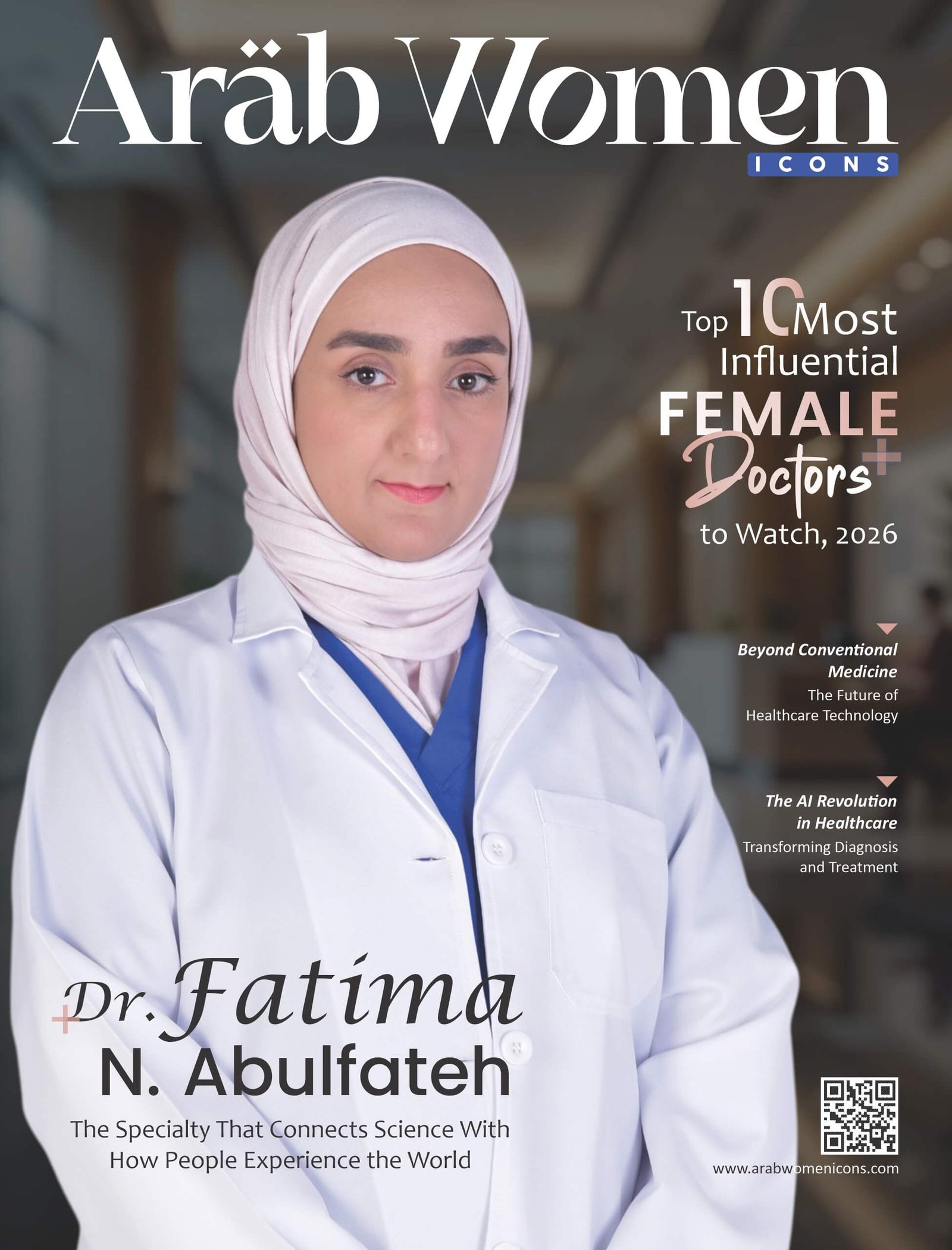
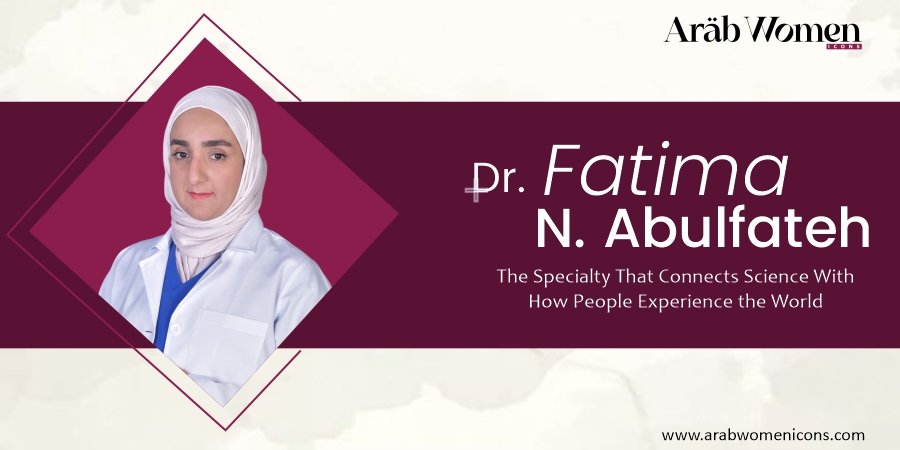
Dr. Fatima N. Abulfateh, Audiovestibular Specialist and Otolaryngology, Head & Neck Surgeon at Royal Medical Services, Bahrain Defence Force Hospital, has built her medical career around that connection between science and human experience. Her decision to pursue medicine was shaped by a desire to combine scientific thinking with meaningful human connection, while remaining in a profession where learning could continue throughout her career.
Otolaryngology eventually gave her the variety she was looking for. The specialty brings together patients of different ages, a wide range of conditions, medical treatment, careful diagnosis, and surgery. It also addresses functions that sit quietly at the centre of everyday life, including hearing, breathing, speaking, swallowing, and balance. That combination has allowed Dr. Fatima N. Abulfateh to develop within a field that is both technically demanding and closely connected to the way people experience the world around them.
Her professional path has included more than a decade of residency experience at King Hamad University Hospital, followed by specialist work at Royal Medical Services and an Audiovestibular Fellowship at the American Institute of Balance in Florida.
Today, her work brings those experiences together, offering a perspective shaped by continued learning, clinical variety, and a clear understanding of the human significance behind the functions her specialty seeks to protect.
Understanding What Cannot Always Be Seen
Hearing and balance can shape far more than physical function. They influence confidence, independence, communication, and a person’s ability to move through everyday life without fear. This connection drew Dr. Fatima N. Abulfateh, Audiovestibular Specialist and Otolaryngology, Head & Neck Surgeon at Royal Medical Services, Bahrain Defence Force Hospital, toward Audiovestibular medicine.
A patient experiencing dizziness may struggle to walk through a busy space, work, drive, or even turn their head without fear. Someone living with hearing loss may gradually withdraw from conversations. While such symptoms can appear simple from the outside, their underlying mechanisms and effects on daily life can be complex.
Audiovestibular medicine gives Dr. Fatima N. Abulfateh the opportunity to investigate those mechanisms carefully while developing a plan that considers the person alongside the disorder.
A Broad Clinical View
Her background in otolaryngology has taught her to maintain a broad perspective without losing clinical precision. Conditions involving the ear, nose, throat, head, and neck do not always fit neatly within a single organ or specialty.
Dizziness illustrates that complexity. Its origins may involve the inner ear, nervous system, vision, or several factors together. Her ENT background enables her to consider the wider clinical picture, recognize when another specialist’s input is needed, and avoid treating a test result in isolation. Listening to the patient’s account before deciding which investigations are appropriate remains an important part of that approach.
Taking Invisible Symptoms Seriously
Hearing loss and vestibular disorders can be underestimated because their effects are not always visible. Yet hearing loss can influence communication, relationships, learning, and social participation. Persistent dizziness or imbalance can make ordinary activities exhausting and leave people afraid of falling or moving.
Dr. Fatima N. Abulfateh believes these symptoms deserve to be taken seriously and, equally importantly, accurately diagnosed. Dizziness describes an experience rather than its cause. Understanding what is actually happening is essential because the appropriate treatment depends on the underlying condition.
From Surgery to Audiovestibular Medicine
Her interest in otolaryngology began with surgery, particularly the combination of anatomy, clinical decision-making, and practical treatment. This path led her to earn both the Saudi Board and the European Board qualification in Otolaryngology and Head and Neck Surgery.
Her interests later extended beyond the operation itself. A fellowship in vestibular medicine in the United States gave her a deeper understanding of hearing and balance disorders and broadened her approach to patient care.
Today, her surgical training and Audiovestibular work complement one another, allowing her to consider a wider range of treatment options for each patient.
Trust Begins with Listening
Patients experiencing dizziness may arrive after several assessments, sometimes feeling that no one fully understands what they are experiencing. Dr. Fatima N. Abulfateh begins by giving them space to tell their story.
She explains what examinations and tests can reveal, what remains uncertain, and why a particular next step is being recommended. When a procedure is under consideration, she believes patients should understand its purpose, benefits, risks, and alternatives in clear language.
That approach makes communication part of clinical care itself. Trust grows when patients feel heard and are included in decisions about their treatment.
Precision Through Technology, Guided by Judgment
Advances in diagnostic technology have made it possible to assess different parts of the hearing and balance systems in greater detail. Investigations such as VNG, vHIT, VEMP, and posturography can help answer specific clinical questions while guiding rehabilitation or further assessment.
Their value, however, depends on how they are used. Dr. Fatima N. Abulfateh considers these investigations alongside the patient’s history and bedside examination rather than in isolation. Technology can make assessment more precise, but clinical judgment remains essential. A normal result on one test does not explain away a patient’s symptoms.
Care Through Collaboration
Working within Royal Medical Services and Bahrain Defence Force Hospital has strengthened Dr. Fatima N. Abulfateh’s understanding of how consistently coordinated teamwork contributes to patient care. A patient’s journey can involve ENT, audiology, emergency medicine, neurology, physiotherapy, nursing, and other teams, with each bringing a different perspective.
The environment has reinforced her responsibility to communicate clearly, prepare thoroughly, and follow through on clinical decisions. It has also provided opportunities to contribute to education and collaboration, including chairing and coordinating the first collaborative symposium on vestibular medicine.
Learning Beyond the Qualification
Medicine continues to evolve, and Dr. Fatima N. Abulfateh keeps her clinical thinking current by connecting learning to the questions she encounters in practice. She follows new guidelines and research, discusses challenging cases with colleagues, and participates in professional education.
Dr. Fatima N. Abulfateh fellowship in vestibular medicine deepened this approach, but she views learning as an ongoing process rather than something completed with a qualification. Teaching and organizing educational activities also require her to examine evidence carefully and communicate it clearly.
The question she finds most useful is not simply what is new, but whether a development will change how she cares for a patient.
Challenging Common Assumptions
Among the misconceptions she encounters is the belief that all dizziness is the same and can therefore be treated with the same medication. Positional vertigo, vestibular migraine, vestibular hypofunction, and other causes require different approaches.
Another misconception is that a normal brain scan means there is no genuine explanation for dizziness. Many vestibular conditions are identified through the patient’s history and examination rather than imaging.
Hearing loss is also sometimes regarded as an inevitable part of ageing that cannot be addressed. Dr. Fatima N. Abulfateh points to the value of early assessment, which can open up more options for support and treatment.
The Next Chapter of Patient Care
Looking ahead, Dr. Fatima N. Abulfateh is particularly interested in improving access to accurate diagnosis and personalized rehabilitation. More refined hearing and vestibular tests may help specialists identify which part of the system is affected, while digital tools could support patients in following suitable rehabilitation plans between appointments.
Advances in hearing technology and surgical techniques are also expected to expand options for selected patients. The potential of these developments, however, remains closely tied to their usefulness in addressing individual patient needs.
Principles That Guide the Practice
Across Audiovestibular medicine, otolaryngology, and head and neck surgery, Dr. Fatima N. Abulfateh’s approach rests on a few clear principles: listen carefully, examine thoughtfully, and make decisions that fit the individual patient.
Complex symptoms can have more than one possible explanation, so she remains open to different possibilities while staying clear about what requires urgent attention. Evidence, honest communication, and collaboration across specialties remain central to her practice.
Dr. Fatima N. Abulfateh goal is for patients to leave with a better understanding of their condition and a practical way forward, even when an answer cannot be reached during a single visit.
Keeping the Person Behind the Diagnosis
Dr. Fatima N. Abulfateh advice to physicians entering demanding specialties is straightforward: develop strong clinical foundations, remain curious, seek mentors, welcome constructive criticism, and do not hesitate to develop a focused area of expertise.
At the same time, she believes physicians must remember that patients do not experience illness as a collection of test results. They experience it through its effect on daily life. Asking about that impact, explaining clinical thinking, and being honest about uncertainty are therefore as important as technical knowledge.
In Dr. Fatima N. Abulfateh’s view, technical skill and compassion should develop together. A demanding specialty becomes more meaningful when physicians continue to learn, collaborate, and remain attentive to the person behind every diagnosis.