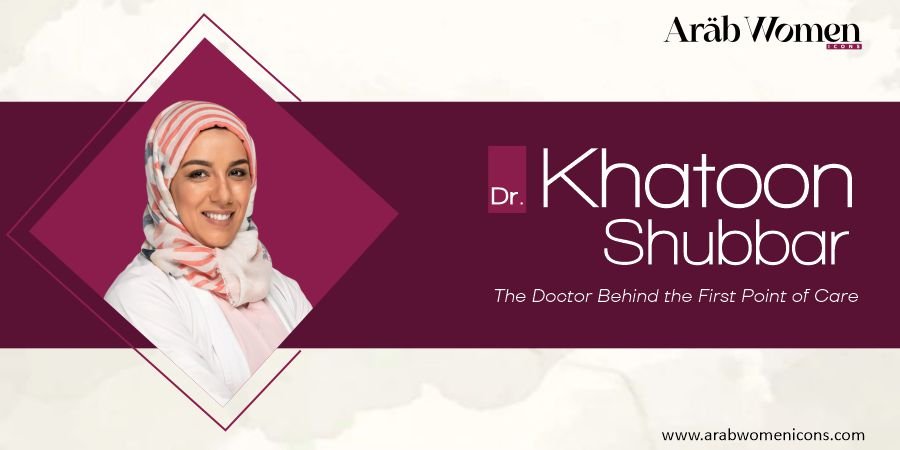
Primary healthcare is often where medicine becomes most personal. It is a setting where doctors meet patients at different stages of life, listen to concerns that may extend beyond a single symptom, and develop an understanding of health within the context of the individual and family. The work calls for medical knowledge, patience, and the ability to form a meaningful connection with those seeking care. At Primary Healthcare Centers, Medical Doctor Khatoon Shubbar has found her professional identity in family medicine, a path that was not part of her original career plan. Her decision to pursue medicine was deeply influenced by her mother, whose long-held dream was to see one of her daughters become a doctor. What began as her mother’s aspiration gradually became Dr. Shubbar’s own journey, shaping both the profession she chose and the physician she became.
Her early ambitions were directed toward secondary care, where she imagined herself working as a paediatrician or internist. While considering her options, she applied to a Family Medicine residency programme and was accepted through a highly competitive selection process, even before the secondary-care vacancies she had been waiting for were announced. The unexpected turn gave her an opportunity to enter a field she had not originally considered.
Looking back, Dr. Shubbar sees that unexpected direction as an important part of her story. Family medicine became the place where she discovered a sense of purpose and developed the professional identity that now defines her work. Her journey reflects how a career can sometimes take shape through opportunities that were never part of the original plan.
A Journey Shaped by a Mother’s Dream
Khatoon Shubbar’s decision to pursue medicine began with her mother. It had always been her mother’s dream to see one of her daughters become a doctor, making her the first and greatest motivation behind Dr. Shubbar’s choice. She credits her mother deeply for the path she took and for the physician she has become. What started as her mother’s dream eventually became her own journey.
Family medicine, however, was not part of her original plan. She initially imagined herself working in secondary care, perhaps as a paediatrician or internist. While exploring her options, she applied to the Family Medicine residency programme and was fortunate to be accepted through a highly competitive selection process, even before the secondary-care vacancies she had been waiting for were announced.
Looking back, Dr. Shubbar believes that path was meant to be. Sometimes the direction that unfolds proves better than the one carefully planned. Family medicine became the setting in which she found her professional identity and, ultimately, her purpose.
Primary Healthcare as the Foundation
Dr. Shubbar sees primary healthcare as the core of an effective healthcare system. It is the first point of contact for most patients and offers the greatest opportunity to intervene before an illness becomes more complicated.
Primary care is not simply about treating people when they become unwell. It brings together prevention, screening, early detection, health education, chronic disease management, and continuity of care.
When healthcare systems invest in accessible primary care and highly skilled professionals, they create a stronger foundation for community health. Risks can be identified earlier, people can become more informed about their health, chronic conditions can be managed more effectively, and patients who require specialized care can be referred appropriately. Strong primary healthcare, in her view, supports healthier communities and a more sustainable healthcare system.
Looking Beyond the Consultation
Dr. Shubbar’s work today extends beyond the traditional clinical responsibilities of a family physician. Alongside patient care, much of her professional journey has developed around quality improvement, risk management, accreditation, and clinical governance. This has given her two complementary perspectives: the individual patient sitting in front of her and the wider system surrounding that patient.
What she finds particularly meaningful is being able to contribute to improvements that reach beyond a single consultation. Improving a process, strengthening a clinical standard, identifying a patient-safety risk, or supporting better governance can influence the care received by many patients. At the same time, continuing to practice clinically keeps her connected to the reason those systems exist in the first place: the patient.
Trust Begins with Listening
Building trust with patients starts, in Dr. Shubbar’s view, with listening. Patients need to feel heard rather than simply examined, diagnosed, and given instructions. She seeks to understand not only the medical problem but also a patient’s concerns, expectations, and circumstances. Two people with the same diagnosis may require very different conversations and approaches.
She also believes patients should participate actively in decisions about their health. Clear explanations, checking understanding, and respecting personal preferences create a partnership rather than a one-directional relationship between doctor and patient. Clinical knowledge remains essential, but the way that knowledge is communicated can be equally important.
Adapting Care to the Person
One of the greatest lessons family medicine has taught Dr. Shubbar is that no single communication style works for everyone. Primary healthcare brings together people of different ages, cultures, educational backgrounds, health literacy levels, and social circumstances. Effective care requires recognizing those differences without allowing them to become barriers.
Sometimes that means simplifying medical language. At other times, it requires spending longer explaining a diagnosis, involving family members when appropriate, considering cultural factors, or understanding that a patient’s priorities may differ from those of the healthcare professional. The clinical standard should remain consistent, she believes, while the delivery of care must remain human and adaptable.
The Breadth and Complexity of Primary Care
Primary healthcare physicians manage an enormous range of conditions. During a single clinic, a family physician may move from preventive screening to chronic disease, an acute childhood illness, mental wellbeing, women’s health, or an undifferentiated symptom requiring careful assessment.
The challenge is therefore not only workload but complexity. Physicians need adequate time, continuously updated knowledge, effective referral pathways, reliable digital systems, and access to multidisciplinary support.
Dr. Shubbar also believes healthcare systems must recognize that strengthening primary care requires investment in its workforce. Professional development, wellbeing, and appropriate staffing are essential. Healthcare professionals cannot consistently provide high-quality, compassionate care without an environment that enables them to do so.
The Value of Continuity
Continuity is one of the greatest strengths of family medicine. Caring for someone over time provides an understanding that goes beyond a list of diagnoses. It brings greater knowledge of a patient’s history, family circumstances, previous experiences, concerns, and sometimes even the reasons behind reluctance to follow a particular treatment. That knowledge creates trust and can lead to better, more personalized decisions.
Healthcare organizations can strengthen continuity through coordinated medical records, effective communication between professionals, appropriate follow-up systems, and easier navigation between different levels of care. Patients should experience healthcare as one connected journey rather than a series of disconnected encounters.
Technology That Supports Better Care
Technology is rapidly changing what is possible in primary care. Electronic medical records, telemedicine, clinical decision-support tools, digital screening systems, and data analytics can improve access and coordination while strengthening the ability to identify population-health needs.
Dr. Shubbar is particularly interested in how data can help healthcare move from being reactive to proactive. Rather than waiting for complications, systems can increasingly identify patterns, gaps, and higher-risk populations earlier.
Technology, however, should support the relationship between clinician and patient, not replace it. Digital transformation is successful when it provides healthcare professionals with better information and more time to deliver meaningful care.
Care is a Team Effort
Dr. Shubbar sees quality primary healthcare as the work of many professions rather than one. Doctors, nurses, pharmacists, laboratory professionals, radiographers, physiotherapists, social workers, administrative teams, and others each contribute different expertise to a patient’s journey. When these professionals communicate effectively and understand one another’s roles, care becomes safer and more coordinated.
Her work in quality and clinical governance has reinforced this repeatedly. Some of the most meaningful improvements in healthcare occur when multidisciplinary teams stop viewing a problem from the perspective of a single department and instead consider the patient’s entire journey.
Learning as a Lifelong Responsibility
Medicine requires lifelong learning. Knowledge acquired during medical school or residency cannot sustain an entire career. Dr. Shubbar continues to develop through professional education, clinical guidelines, conferences, teaching, and involvement in quality, accreditation, and clinical standards. Teaching is particularly valuable because it requires her to remain current and explain what she knows clearly.
Her involvement in healthcare quality and clinical standards has also broadened her learning beyond individual clinical practice. It encourages her to examine evidence, systems, patient safety, and how standards can be translated into everyday clinical practice.
Remembering the Person Behind the Record
Patients have taught Dr. Shubbar that what may appear to a physician as a simple consultation can be an extremely important moment in someone else’s life. Patients may remember a diagnosis, but they also remember how it was communicated. They remember whether they felt respected, whether someone listened to their fears, and whether they were given enough time to understand what was happening.
Empathy, she believes, does not mean losing clinical objectivity. It means remembering the human being behind the medical record. Medical responsibility therefore extends beyond making the correct diagnosis. It includes communicating honestly, recognizing limitations, and ensuring that patients understand and feel involved in what happens next.
A More Predictive and Personalized Future
Dr. Shubbar believes primary healthcare will increasingly become more predictive, preventive, and personalized. Digital health, artificial intelligence, integrated health information systems, and better use of population-level data can help identify risks and enable earlier intervention. At the same time, ageing populations and the growing burden of chronic disease will make prevention and long-term disease management increasingly important.
Despite technological progress, she believes the future of primary healthcare will continue to depend heavily on something very traditional: relationships. Technology can provide information and improve efficiency, but trust, communication, clinical judgement, and compassion will remain fundamentally human.
Healthcare That Begins Before Illness
Dr. Shubbar believes healthcare should not begin only when someone becomes sick. Some of the greatest opportunities lie in preventing illness, identifying risks early, and giving people the knowledge and support required to make informed decisions about their health. That requires healthcare to be accessible and people to feel comfortable seeking it.
Accessibility alone, however, is not enough. Every screening programme, guideline, digital system, and quality standard ultimately reaches one individual person.
Her journey from clinical medicine into quality, risk management, and clinical governance has strengthened her conviction that excellent healthcare requires both strong systems and humanity. Healthcare systems should become safer, smarter, and more preventive while never losing sight of the person they were created to serve.