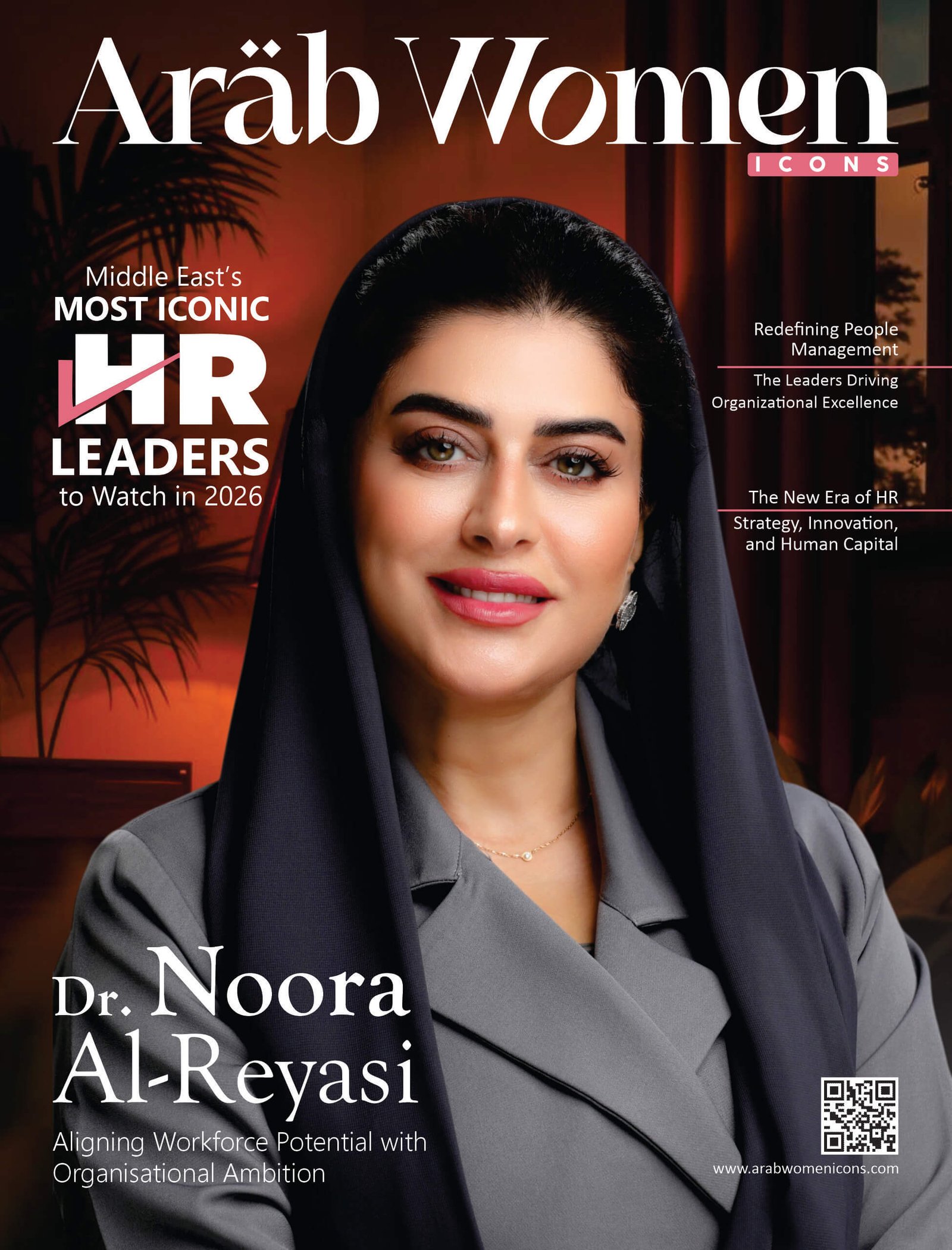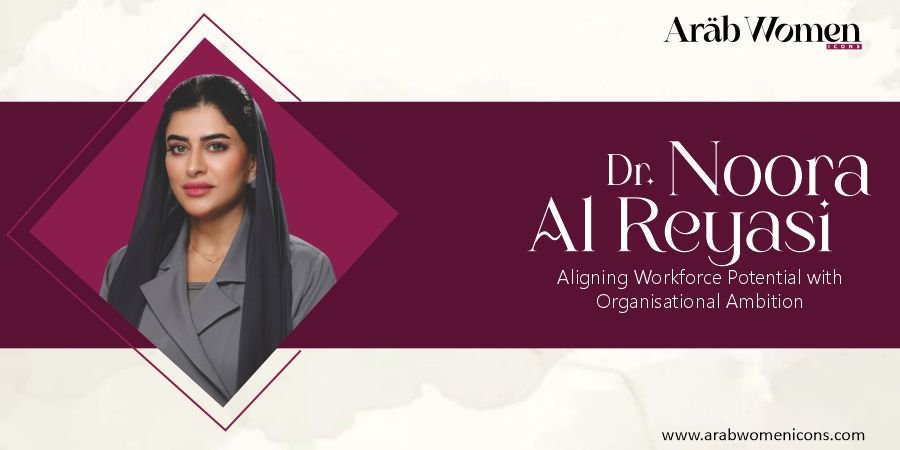
An organisation’s strategy can set its direction, but the people behind it determine how that ambition takes shape. In banking, where performance depends on capable teams, sound judgment, and a shared sense of purpose, human resources has a role that reaches well beyond hiring and employee development. It helps shape the culture, capabilities, and working environment that allow a business to move forward. This belief lies at the heart of Dr. Noora Al-Reyasi’s work in human resources.
With two decades of experience across the banking and telecommunications sectors, Dr. Noora has led people-focused initiatives spanning enterprise-wide transformation, high-performance cultures, and workforce development. As Vice-Chair of the HR Steering Committee, her work sits within a broader organisational effort to connect people strategy with business priorities. The source material also identifies her as Group Chief Human Resources Officer, with a focus on aligning people, purpose, and strategy alongside executive leadership.
Her perspective rests on a clear principle: people initiatives have the greatest value when they are connected to a shared vision and designed to deliver meaningful outcomes. Her priorities include strengthening organisational culture, developing systems and capabilities, and advancing talent to support the ambitions of the UAE’s Global Bank. The aim is to move business performance forward without losing sight of the people whose knowledge, commitment, and contribution make that progress possible.
Her experience across two major sectors offers a useful perspective on the relationship between workforce development and organisational change. It also sets the stage for a closer look at how she approaches leadership, culture, and the evolving role of human resources in shaping a bank’s future.
Connecting People Strategy with Business Performance
Dr. Noora’s interest in the relationship between people and organisations has shaped her view of how the HR function should evolve. Rather than concentrating primarily on policies and processes, she believes HR must contribute to business strategy by ensuring that organisations have the capabilities, leadership, and culture required to meet their ambitions.
This begins with placing the right people in the right roles and creating an environment where trust, involvement, and accountability allow employees to contribute and grow. For Noora, the responsibility of a Chief Human Resources Officer extends beyond implementing the people agenda. It also involves helping the organisation understand what it will need in the future.
When People Strategy Becomes Business Strategy
An organisation’s ambitions depend on its people’s ability to deliver them. Growth, innovation, and profitability require the right capabilities, supported by leadership that can establish and sustain the appropriate culture.
Dr. Noora believes the people dimension should be part of important commercial and strategic decisions from the outset. Leaders need to assess whether the organisation has the capabilities to execute its plans, whether managers are equipped to lead change, and whether the operating model, structure, and rewards framework support the intended outcomes.
Employee contributions to productivity, customer experience, innovation, and performance must also be understood. Business leaders have a responsibility to ensure that commercial ambitions and organisational capacity advance together. Investing in the right capabilities, helps make measurable business results possible.
This perspective informs a people agenda focused on developing future-ready capabilities in digital technology, data analytics, artificial intelligence, risk, and specialised banking expertise. Workforce planning, organisation design, and change management are also important to supporting transformation.
Other priorities include developing high-performance organisations that meet regulatory requirements, using data to improve productivity and people decisions, strengthening succession planning, and attracting and retaining critical talent. Career mobility, differentiated talent programmes, employee experience, inclusion, collaboration, continuous learning, wellbeing, and resilience all form part of this broader agenda.
The Human Side of Transformation
Enterprise-wide transformation creates challenges that extend beyond systems, structures, and processes. Dr. Noora sees managing uncertainty while sustaining business performance as one of the central demands on leadership. People adapt at different speeds, and an organisation’s desire to move quickly may outpace employees’ readiness for change.
Leaders must therefore give people a clear understanding of the direction, explain why change is necessary, and provide the tools and capabilities required to adapt. Transparency and trust are essential, particularly when employees are being asked to move beyond familiar ways of working that previously made them successful.
Recognition also matters. Leaders should acknowledge employees who begin adapting to new expectations and demonstrate greater readiness and confidence. Strategic intentions need to be translated into practical terms that people can understand and act upon.
When employees have the knowledge, capabilities, and clarity to contribute, they are better placed to take responsibility for sustaining performance throughout the transformation process. Noora sees the development of this adaptive capacity as one of the most valuable investments leaders can make.
High Performance with Room to Grow
A high-performance culture, in Noora’s view, challenges people to excel while giving them the support to succeed. Employees need clear expectations and accountability, but they also need access to development opportunities.
Learning should be part of the organisation’s systems rather than treated as a separate activity. Upskilling and reskilling, on-the-job training, project assignments, and broader responsibilities can help employees strengthen their capabilities and prepare for new roles. Open conversations, honest feedback, and continuous improvement support this process.
Leaders have a particular responsibility to set standards, reward collaboration, maintain trust, and protect organisational resilience. Developing talent and strengthening the future leadership pipeline also helps retain critical knowledge and gives employees opportunities to perform at their best.
These principles extend to performance management. Dr. Noora believes effective systems should hold employees accountable for results while encouraging them to develop the skills needed for future demands. Clear objectives provide direction, while regular performance conversations allow managers to recognise progress, identify gaps, and adjust expectations as employees grow.
The aim is to create an environment where people are expected to deliver, encouraged to stretch their capabilities, and accountable for their learning. Performance and development should reinforce each other.
Capabilities for a Changing Workplace
As the nature of work changes, Dr. Noora believes organisations must continually renew their workforce capabilities. Digital and AI skills are becoming increasingly important, but developing them requires more than introducing technology. Employees need to understand how to apply it, while leaders must connect those capabilities to strategic outcomes and business performance.
Consistent talent development, practical learning opportunities, and the ability to apply new skills at work are equally important. Leaders must also be prepared to navigate uncertainty, communicate a clear direction, and establish the trust that allows employees to question assumptions and raise concerns.
Governance provides an essential foundation for this environment. Trust and openness must be supported by clear structures and expectations, allowing people to contribute while maintaining accountability.
When identifying future leaders, Dr. Noora looks beyond performance in an individual’s current role. She values people who take responsibility beyond their immediate remit and contribute to the wider organisation. The ability to lead enterprise-wide transformation, manage complexity, and turn strategy into measurable outcomes is particularly important.
Curiosity, self-awareness, and a willingness to act on feedback also matter. Future leaders must be able to learn from unfamiliar situations, influence others, make difficult decisions, remain accountable for the consequences, and develop the people around them.
Lessons Across Banking and Telecom
Having worked across banking and telecommunications, Dr. Noora recognises that both sectors face pressure to innovate, maintain customer trust, and deliver strong service, but their workforce requirements differ.
In telecommunications, rapid technological change creates a continuing need to update technical knowledge and develop new capabilities. Organisations must maintain a strong pipeline of technical talent, particularly across networks and services, so teams can bring updated solutions to market quickly. Continuous reskilling is therefore a central priority.
Banking requires a different combination of capabilities. Employees must bring together commercial judgement, technical and digital skills, and a strong understanding of risk. They need to respond to changing customer needs while remaining conscious of financial and regulatory implications.
These differences affect recruitment, leadership development, and performance management. Telecommunications leaders must connect technical expertise with commercial opportunities and mobilise teams through change. Banking leaders must support innovation while reinforcing sound judgement and clear accountability.
Across both sectors, Dr. Noora sees a common responsibility: preparing people to support the organisation’s direction while ensuring they can meet today’s demand and navigate tomorrow’s business landscape.
Employee Experience and the Retention of Talent
Employee experience influences whether people can perform effectively, remain engaged, and see a future within the organisation. Al-Reyasi considers it fundamental to both performance and the retention of critical talent.
Clear expectations, effective systems, and supportive managers give employees the conditions to perform at their best. Engagement strengthens when people understand how their work contributes to organisational ambitions and believe their voices matter.
Retention also depends on whether employees feel valued and can see opportunities ahead. Meaningful career paths, regular career conversations, internal mobility, competitive rewards, challenging objectives, and visible opportunities for growth can all contribute to a stronger employee experience.
The connection between these factors is important. Employees are more likely to remain committed when they can see that their contribution matters and that the organisation is prepared to invest in their development and grow.
The Expanding Responsibility of the CHRO
Dr. Noora sees the Chief Human Resources Officer becoming increasingly accountable for an organisation’s ability to execute its strategy. The role requires HR to contribute at the earliest stages of decision-making, particularly when businesses enter new markets, introduce AI, or change their operating models.
CHRO should build a trust through clear communication about which is changing and why and hold leaders accountable for demonstrating the culture they expect from employees. Also, prepare people for change by developing skills confidence and adaptability.
These decisions raise practical questions about the capabilities required, how roles and responsibilities may change, which positions may need to be combined, what new roles will emerge, and how talent should be recruited or redeployed. Leaders must also assess whether the organisation has the succession pipeline and culture needed to support its ambitions.
Regulation adds another dimension. Leadership incentives and behaviour must align with requirements, making close cooperation with legal, risk, and compliance teams important.
The CHRO must also provide the board with a clear view of organisational readiness, succession strength, workforce planning risks, and the capacity available to absorb change. This places people strategy firmly within the organisation’s wider governance and business planning responsibilities. The goal here is to make culture a driver of transformation helping people feel supported while remaining accountable for results
Leadership Grounded in Trust and Integrity
After two decades of leading people agendas, Dr. Noora continues to rely on clarity of purpose, empowerment, respect for people, and integrity in decision-making. Trust, fairness, and consistency between what leaders say and what they do remain central to her approach.
Successful organisational change requires employees to understand its purpose, why it is necessary, and how they can contribute. Leaders play a critical role in explaining these connections and demonstrating credibility through their actions.
Developing future leaders, supporting a positive employee experience, and encouraging independent judgement are also important to long-term organisational resilience. These responsibilities require leaders to create the conditions in which people can take ownership while understanding the wider consequences of their decisions.
HR as a Trusted Business Partner
Dr. Noora advises the next generation of HR professionals to develop a strong understanding of business and connect people decisions to commercial outcomes, growth, performance, and risk. Decisions should be evidence-based, grounded in data and facts rather than assumptions.
HR professionals should also be prepared to bring forward solutions and challenge decisions constructively. Taking ownership of business success means accepting accountability for outcomes, not limiting responsibility to the delivery of HR processes.
She encourages them to remain close to employees, understand the capabilities the organisation needs now and, in the future, act as trusted partners who support the long-term health of the business. Openness to feedback and a willingness to keep learning remain essential.
For Noora, the strategic value of HR lies in connecting the organisation’s ambitions with the people, leadership, and culture required to realise them. When those elements advance together, people strategy becomes an integral part of business performance and the organisation’s ability to adapt over time.