Healthcare is built on the people who care for patients when they are at their most vulnerable. In nursing, clinical expertise must go hand in hand with compassion, sound judgement, and the ability to make critical decisions under pressure. As healthcare systems continue to evolve, nursing leadership has also taken on a broader role, connecting patient safety, operational excellence, workforce development, and innovation. The responsibility extends beyond managing clinical services to creating an environment where healthcare professionals can grow, collaborate, and deliver care with confidence and dignity.
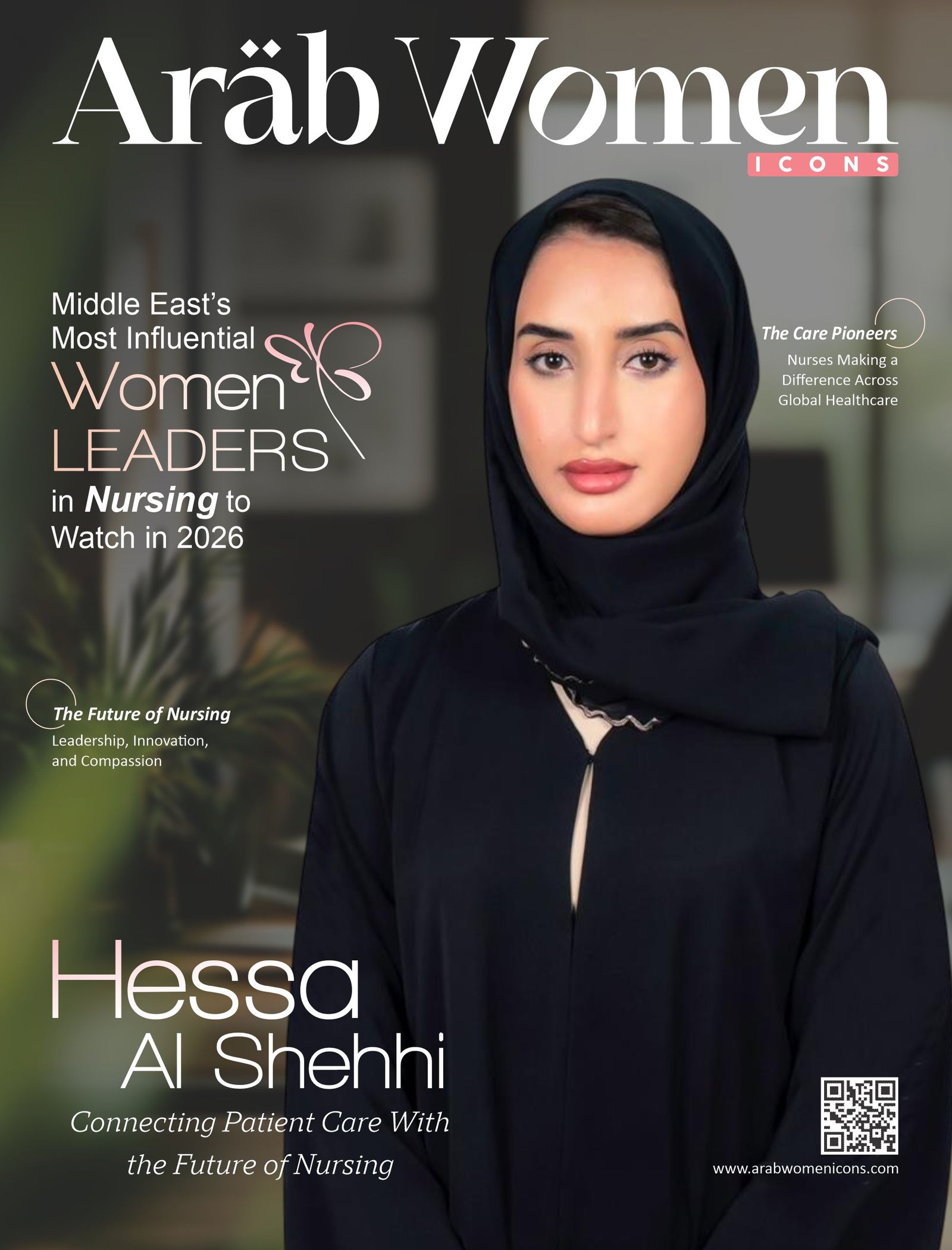
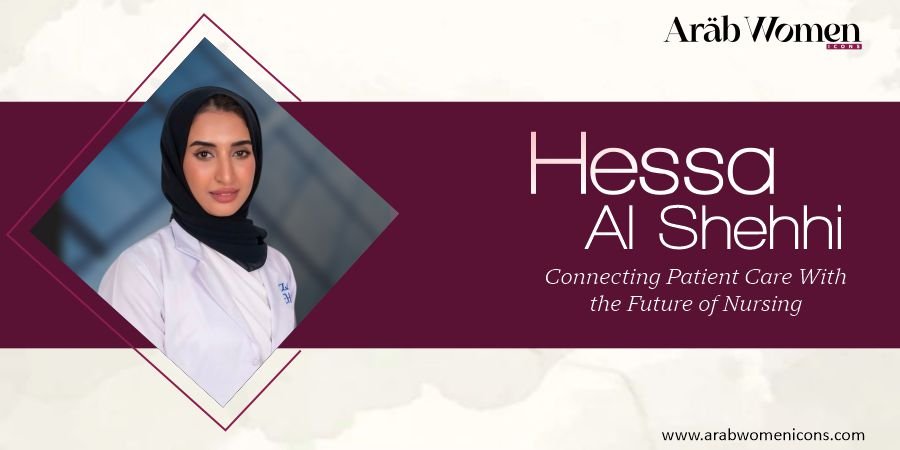
At the forefront of this evolving landscape is Hessa Al Shehhi, Assistant Director of Nursing at SEHA Authority, an accomplished Emirati nursing leader with more than 14 years of experience across clinical practice, critical care, healthcare operations, and strategic leadership. Her professional experience spans intensive care, emergency nursing, pediatric and adult critical care, mental health, and healthcare administration, giving her a broad perspective on the demands of modern healthcare and the importance of people-centered leadership.
Throughout her career, Hessa has held significant leadership roles at Sheikh Khalifa Medical City, contributing to critical care services, nursing governance, patient safety, quality improvement, workforce development, and strategic healthcare partnerships. As the first Emirati ECMO Specialist, she has also played an important role in critical care transformation, the COVID-19 response, nursing education, Emiratization, and international healthcare collaboration. Her work reflects a commitment to strengthening clinical practice while creating opportunities for nurses to develop their skills and take on greater responsibilities.
Alongside her professional responsibilities, Hessa is pursuing a PhD in Nursing and has completed advanced qualifications in leadership, healthcare management, ECMO, artificial intelligence in healthcare, and nursing practice. Her contributions have been recognized through several honours, including the Purehealth Remarkable Emirati Women Role Model of the Year Award in 2025, the SEHA IHSAN Nursing Leadership Award, the Emirati Exceptional Talent Award, and the Pure Excellence Award in 2026.
Beyond her clinical and leadership responsibilities, Hessa serves as Chair of the SEHA Emiratization Committee and the SINMAC Strategic Nursing Programme. Her experience as a former Interim Chief Nursing Officer, former Chair of the SEHA Critical Care Nursing Advisory Group, and leader in the partnership between Sheikh Khalifa Medical City and Cincinnati Children’s Hospital has further shaped her contribution to nursing development. As a member of the National Medical Team for Al Haj Missions and a contributor to UAE nursing strategy and healthcare improvement initiatives, she continues to support the advancement of nursing leadership, professional development, and patient-centered care.
Science Meets Compassion
Nursing brings together science, responsibility, compassion, and human connection. It asks professionals to remain clinically capable while also being present for people during some of the most vulnerable moments of their lives. For Hessa, this balance has shaped more than 14 years of nursing and clinical leadership.
Her decision to pursue nursing came from a desire to serve people when they needed support most. From the beginning, she understood that nursing extended beyond clinical procedures. It meant listening to patients, advocating for their needs, supporting families, and helping people regain confidence and hope. Her experience across surgical wards, emergency care, intensive care, and critical care leadership strengthened her belief that nurses have a unique opportunity to make a meaningful difference every day.
Over the years, caring for patients from diverse backgrounds and working with multidisciplinary teams has continued to shape her perspective. Each patient encounter has brought a new lesson and reinforced her commitment to continuous learning, excellence, and compassionate care.
Accountability Comes with Approachability
For Hessa, effective nursing leadership begins with creating an environment where patients receive safe, high-quality, compassionate care and nurses feel supported, valued, and empowered to perform at their best.
She believes a successful nursing leader must be visible, approachable, accountable, and willing to listen. Leadership is not simply about making decisions. It involves developing people, building trust, encouraging teamwork, and creating opportunities for professional growth.
In her role, she works to align nursing practice with organizational goals while keeping patient safety and staff wellbeing central to every decision. Leading by example, communicating clearly, and remaining calm during difficult situations are important parts of her approach.
Her leadership style is collaborative. She encourages nurses to contribute ideas, participate in improvement initiatives, and take ownership of their professional responsibilities. When people feel respected and involved, she believes they become more engaged and motivated to deliver excellent care.
Readiness in Critical Care
Critical care leaves little room for uncertainty when urgent decisions are required. Hessa sees preparedness as a combination of education, practice, communication, and a strong safety culture. Clinical competence is essential, but teams must also know how to communicate and work together under pressure.
She supports regular competency assessments, simulation training, clinical education, structured handovers, and emergency preparedness activities. These practices help nurses build confidence while ensuring that responsibilities remain clear during urgent situations.
Learning from every event is equally important to her. Following a critical incident, teams review what happened, identify strengths and opportunities for improvement, and develop practical actions. The objective is to create a learning environment rather than a culture of blame.
Her experience during the COVID-19 pandemic reinforced these principles. While managing a large and busy critical care service, she saw the importance of flexibility, teamwork, clear allocation of responsibilities, and consistent communication. Supporting staff emotionally was just as important. Teams perform better when they know their leaders are present, responsive, and committed to their wellbeing.
Technology with a Human Purpose
Healthcare transformation is bringing artificial intelligence, digital health systems, remote monitoring, predictive analytics, robotics, and advanced critical care technologies further into nursing and patient care. Hessa sees significant potential in these developments, particularly in helping identify patient deterioration earlier, supporting decision-making, and reducing administrative burdens.
At the same time, she believes technology must complement, rather than replace, professional judgement, empathy, and clinical reasoning.
Digital documentation and integrated electronic health records can strengthen communication and continuity of care when they are designed around clinical workflows. Wearable devices and remote monitoring can also help healthcare teams identify changes in a patient’s condition earlier and support care beyond the hospital.
Her experience as an ECMO specialist has given her direct insight into the importance of combining technological expertise with strong teamwork and compassionate care. She believes the future of nursing will require professionals who are clinically skilled, digitally capable, adaptable, and prepared to use data responsibly. Education and change management will therefore remain essential to ensuring that innovation improves outcomes without compromising the human connection at the heart of nursing.
Making Operational Excellence Meaningful
Hessa views operational excellence as the consistent delivery of safe, efficient, patient-centered care through reliable systems, strong teamwork, and continuous improvement. It is not simply about completing tasks quickly or reducing costs. It means delivering the right care to the right patient, at the right time, by the right team, using evidence-based practices.
Within a complex healthcare environment, this requires clear standards, effective staffing, sound resource management, accurate communication, and meaningful performance measurement. Leaders must also understand frontline realities and remove barriers that prevent nurses from delivering quality care.
She believes sustainable improvement is often built through small, practical changes. Improving patient flow, standardizing communication, strengthening clinical audits, and improving the allocation of staff and equipment can each contribute to safer care.
Most importantly, operational excellence must remain connected to the patient experience. Efficiency has value only when it improves safety, outcomes, dignity, and satisfaction.
Lessons from a Defining Crisis
One of the most challenging periods of Hessa’s career came during the COVID-19 crisis, when she was involved in leading a large and complex intensive care service. The period demanded rapid adaptation, difficult decisions, continuous coordination, and sustained support for staff working under extraordinary pressure.
Patient needs changed quickly, resources were stretched, and staff had to adapt to new protocols and unfamiliar responsibilities. Maintaining standards of care while protecting both patients and staff required strong communication and teamwork.
The experience taught her that leadership becomes especially important during uncertainty. People look to their leaders for clarity, stability, and reassurance. She learned to communicate honestly, make timely decisions based on available evidence, and remain open to changing course as circumstances evolved.
She also learned that resilience cannot be taken for granted. Leaders must actively support the physical and emotional wellbeing of their teams. To her, the strength of a healthcare organization is reflected not only in how it responds to a crisis, but also in how it helps its people recover and grow afterward.
Developing Nurses Who Are Ready to Lead
Her advice to young nurses begins with curiosity, compassion, and lifelong learning. Nursing continues to evolve, and she believes the strongest professionals never stop developing their knowledge and skills.
A strong clinical foundation matters. So do asking questions, seeking feedback, and learning from experienced colleagues. She encourages young nurses not to fear challenging assignments, as they can provide important opportunities for growth, while also understanding their limits and asking for support when needed.
She also encourages nurses to develop communication and leadership skills early. Leadership does not depend on a job title. It begins with accountability, professionalism, teamwork, and the courage to speak up for patient safety.
Above all, she believes nurses must never lose sight of the person behind the diagnosis. Technical excellence is essential, but kindness, dignity, and empathy matter equally. Patients and families may not always remember every clinical detail, but they remember how they were treated and how a nurse made them feel.
The Next Five Years
Over the next five years, Hessa aspires to continue contributing to nursing excellence through strategic leadership, education, innovation, and service improvement. She wants to support strong nursing systems that improve patient outcomes while creating positive professional environments.
Her areas of interest include critical care, mental health nursing, leadership development, and the integration of technology into clinical practice. Her ongoing doctoral studies will also strengthen her contribution to research and evidence-based practice.
Another important aspiration is mentoring the next generation of Emirati nurses and preparing them for leadership roles. She believes the UAE has tremendous nursing talent and that opportunities must be created for nurses to grow, lead, research, and influence healthcare policy.
She also hopes to contribute to national and international professional forums, share successful practices, and support partnerships that improve education, clinical care, and innovation.
Giving Nursing a Stronger Voice
Hessa wants nursing leadership to be fully recognized as a strategic force in improving patient outcomes and organizational performance. Nurses are closest to patients and often identify opportunities for improvement before others do. Their knowledge, she believes, should be reflected in policy development, operational planning, quality improvement, and healthcare transformation.
She would also like to see greater investment in nursing research, advanced practice, leadership education, and career pathways. Clear development opportunities can help retain talented nurses and encourage them to pursue specialist and leadership positions.
Strengthening Emiratization in nursing is another priority. She sees mentorship, education, succession planning, and meaningful leadership opportunities as important to supporting Emirati nurses not only when they enter the profession, but as they progress into senior clinical, academic, and executive positions.
She also sees healthcare delivery continuing toward integrated, patient-centered, and preventive models supported by digital solutions and collaboration across sectors.
A More Connected Healthcare Model
If given the opportunity to introduce one major transformation, Hessa would establish a fully integrated, patient-centered healthcare model supported by digital technology, predictive analytics, and stronger coordination between healthcare services.
Patients often interact with multiple departments and providers. When information is not shared effectively, care can become fragmented. An integrated model could improve communication, reduce duplication, support earlier intervention, and help patients move more smoothly through healthcare services.
Technology could provide healthcare professionals with timely, accurate information and help identify risks before a patient’s condition deteriorates. Yet the system must remain human-centered. Digital transformation, in her view, should make care more personal and accessible, not less.
Such a transformation could also give nurses more time for direct patient care, education, advocacy, and emotional support. The goal is to combine the capabilities of technology with the compassion and professional judgement of healthcare teams.
Measuring Success Through People
At this stage of her career, Hessa defines success through positive and lasting impact on patients, teams, and the healthcare system. Awards, promotions, and professional titles are not the only measures.
She sees success in nurses growing in confidence, competence, and leadership, and in knowing that the systems and initiatives she contributes to improve safety, quality, patient experience, and staff development.
Her leadership awards, professional development, research, and involvement in national initiatives are meaningful because they reflect teamwork and service. She measures her work through the trust of colleagues, patient outcomes, and the opportunities she creates for others.
If her work encourages another nurse to believe in her potential and pursue leadership, she considers that a meaningful achievement.
A Legacy of Human Leadership
Hessa hopes to leave a legacy of compassionate, courageous, and transformational nursing leadership. She wants to be remembered as a leader who advocated for patients, supported colleagues, promoted excellence, and remained committed to learning and improvement.
A significant part of that legacy is the development of future nurses and leaders, particularly Emirati women who aspire to contribute to healthcare. She wants to encourage them to pursue education, take on challenges, and believe that their voices belong in decision-making spaces.
She also hopes to contribute to a culture in which nurses are empowered to innovate, speak up for safety, participate in research, and influence the future of healthcare.
Her legacy, she believes, will not be measured by the positions she has held. It will be measured by the people she has helped, the patients whose care has improved, and the leaders who continue the work after her.