Mental healthcare is a field where professional knowledge meets some of the most personal parts of human life. Behind every conversation about anxiety, relationships, parenting, identity, or healing is a person trying to make sense of what they are experiencing and find a healthier way forward. The work therefore calls for more than academic knowledge. It requires curiosity, patience, emotional understanding, and a willingness to see each individual as more than a set of symptoms or labels.
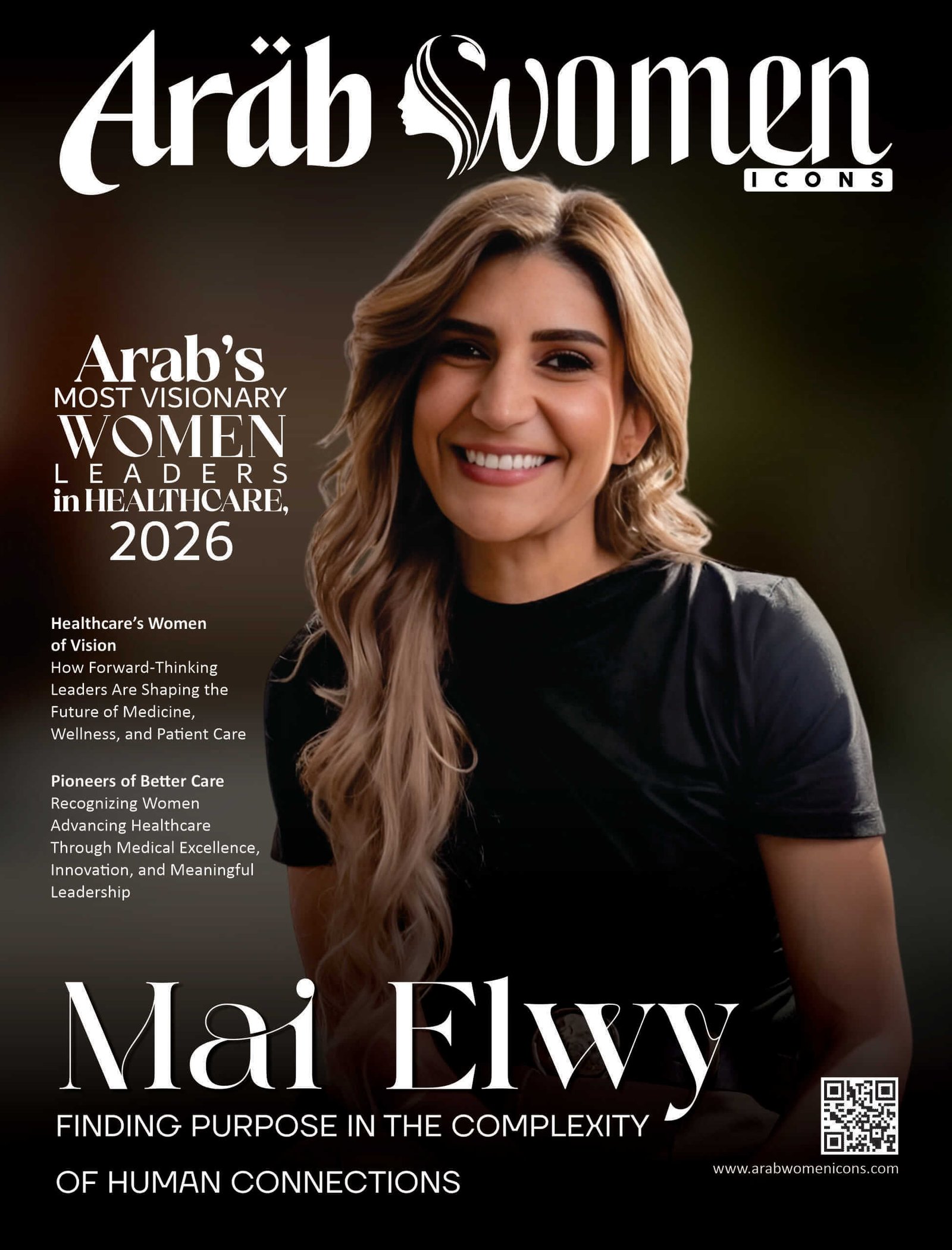
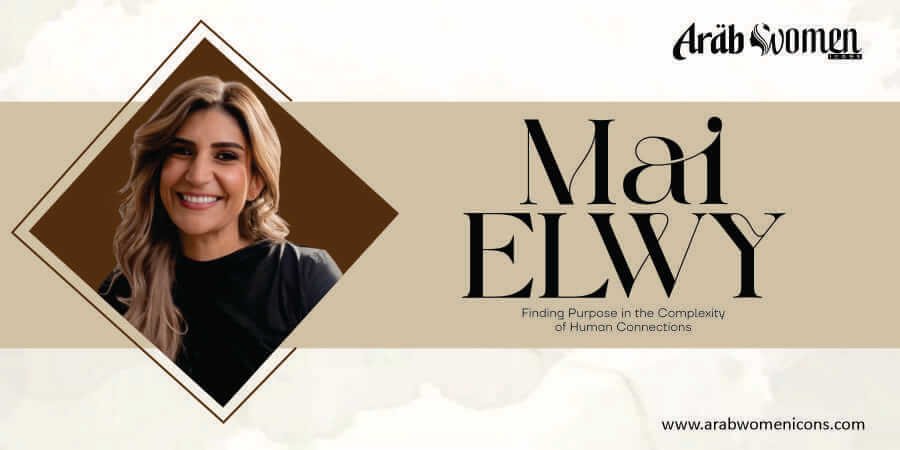
It is this understanding that has shaped the journey of Mai Elwy, Counseling Psychologist & Therapist, Maadi Psychology Center. She is a MA, Doctorate Candidate, a Counseling Psychologist and mental health professional whose work brings together clinical practice, education, and a deep interest in the many layers of human behaviour. She earned her master’s degree in Counseling Psychology from The American University in Cairo and has continued to develop her knowledge through advanced academic and professional training. Her path into psychology, however, was not something she discovered immediately. It emerged gradually through years of exploring different careers and trying to understand where her real sense of purpose lay.
Finding Meaning in Understanding People
Mai Elwy took time to discover what genuinely interested her. She explored different careers and fields before eventually finding herself drawn to a subject that felt fundamentally different from everything she had considered before: understanding human beings.
Once she began studying psychology, something clicked. She became fascinated by the depth with which psychology could explore the human experience. Thoughts, emotions, relationships, past experiences, behaviours, and the ways people make meaning of their lives could all be understood from different perspectives. What made the field even more meaningful to her was the possibility of helping someone work through difficulties they may have carried for years.
That combination of understanding and helping became deeply fulfilling for her. Psychology was no longer simply an area of study. It became a way of connecting knowledge with something that could make a genuine difference in another person’s life.
There is Rarely One Answer
One of the aspects of psychology that continues to interest Mai is its complexity. Human beings cannot always be understood through a single explanation, and she has built her professional training around this idea.
Mai Elwy education and experience span several therapeutic approaches, including psychodynamics, Emotionally Focused Therapy (EFT), Cognitive Behavioural Therapy (CBT), existential psychotherapy, interpersonal therapy, and psychodrama. Each approach offers a different way of looking at individuals, relationships, emotions, and the experiences that shape them.
Rather than believing that one modality can provide the answer to every challenge, Mai has developed an integrative approach over the course of more than a decade of experience. She draws from her different areas of training and combines them according to the person sitting in front of her.
The starting point is the client and what they are bringing into therapy. Their circumstances, needs, personality, relationships, history, and challenges all matter when deciding how to approach the work.
For Mai Elwy, this flexibility reflects one of the most important realities of psychology: there is no single answer to every human question. Good therapy requires the ability to listen carefully, remain curious, and adapt the work to the individual rather than expecting every person to fit the same therapeutic framework.
Counseling Psychologist & Therapist
Mental healthcare is often discussed through diagnoses, treatment plans, and clinical language, but at its heart, it remains deeply human. It is about understanding how people think, feel, connect, struggle, heal, and find their way forward. This human dimension has shaped the professional journey of Mai, whose work extends across clinical practice, academia, corporate consulting, research, and entrepreneurship.
Mai Elwy career has given her the opportunity to see mental health from different angles. She has worked closely with individuals and families, taught psychology, advised organisations on employee well-being, and developed initiatives around parenting and emotional development. Rather than viewing these roles as separate parts of her career, she sees them as experiences that have broadened the way she understands people and the environments in which they live.
A Career Shaped by Many Perspectives
Mai Elwy considers herself fortunate to have experienced such a diverse professional journey. Each role has brought a different kind of learning, and together they have given her a wider perspective on both people and healthcare.
Mai Elwy believes that a rich life experience does not only benefit the individual living it. It can also deepen the impact they are able to make through their work. In healthcare, this matters particularly because science cannot always be separated from the realities of human life.
For Mai Elwy, maintaining a relationship between scientific knowledge, literature, research, and lived experience is important across everything she does. Whether she is sitting with a client in therapy, teaching students, conducting research, or working with organisations, she carries the understanding that human beings cannot be reduced to a single theory, diagnosis, or professional framework.
That balance between knowledge and experience has become an important part of how she approaches leadership in mental healthcare.
Mental Health Is No Longer a Conversation People Avoid
Across the Arab region, the conversation around mental health has changed considerably over the past two decades. Mai Elwy has witnessed this shift and sees it as one of the most encouraging developments in the field.
People are increasingly recognising that mental health deserves the same attention and care as other aspects of well-being. There is also greater openness around seeking professional support and a growing curiosity about psychology itself. Yet the progress has not erased the difficulties.
In many communities, psychological struggles are still surrounded by stigma. People may understand the importance of mental health in theory while continuing to feel shame, fear, or hesitation when they personally need help. Access remains another major concern, with professional services still unavailable or unaffordable to a large part of the population.
The field itself is also developing. Policies and regulations surrounding mental healthcare continue to evolve, leaving an important need for stronger systems that can support ethical, accessible, and high-quality psychological care. Mai sees the progress as real, but believes there is still considerable work ahead.
When Workplace Stress Becomes Normal
Mai Elwy experience with multinational organisations has also given Mai Elwy a close view of the relationship between mental health and working life. She sees psychological well-being as something that touches almost every aspect of an employee’s contribution, from performance and commitment to creativity and the ability to cope with difficult situations. Yet corporate environments can sometimes create another problem: chronic stress can become so common that people stop recognising it as a problem.
In some workplaces, constantly being under pressure is almost treated as evidence of dedication. Long hours, exhaustion, and relentless demands can become normalised, and at times even praised.
Mai Elwy sees this as a dangerous approach to organisational success. Expecting people to continue performing at their best while ignoring their emotional and psychological state is not realistic. A person may be able to function under sustained pressure for a period of time, but that does not mean the situation is healthy or sustainable.
Mai Elwy view is simple: organisations cannot separate employee well-being from performance and expect the latter to flourish indefinitely. Sustainable commitment requires attention to the person behind the role.
Teaching the Next Generation to Stay Curious
Teaching psychology has given Mai Elwy another opportunity to influence the future of mental healthcare. As an Adjunct Professor of Psychology, one of the outcomes she values most is not necessarily how many answers her students leave with, but how many new questions they begin to ask. She enjoys seeing students become curious about the complexity of human beings.
Psychology, in her view, should not encourage people to place others into convenient boxes. Assumptions, generalisations, labels, and stereotypes can easily become barriers to genuine understanding. She wants her students to question what they learn, examine evidence critically, and remain open to perspectives that may challenge their existing beliefs. That curiosity should continue long after graduation.
Mai Elwy hopes the professionals entering the field will learn to see beyond labels and diagnoses and recognise that psychological practice requires continuous personal and professional development. The work demands an openness to learning because people themselves are complex, changing, and shaped by circumstances that cannot always be captured by a textbook.
Raising Children Who Feel Safe Enough to Grow
Mai Elwy interest in parenting began from a deeply personal place. As she was preparing to become a mother and thinking about what it meant to be a good parent, curiosity gradually developed into a much larger professional journey. That interest eventually became part of her career and contributed to initiatives such as Raising Happy.
When Mai Elwy speaks about emotionally resilient children, she returns to three simple foundations: acceptance, connection, and safety.
Children need to feel seen, heard, accepted, and loved. At the same time, they need an environment where boundaries and limits are clear and appropriate to their age and individual needs. Emotional security does not mean removing every difficulty from a child’s life. It means giving them a dependable foundation from which they can experience those difficulties.
Much of a child’s emotional learning also happens through the adults around them. Children gradually learn how to understand and manage difficult emotions by living alongside adults who can regulate themselves and help them make sense of what they are feeling.
Experiences matter too. Children need opportunities to encounter different situations, develop confidence, and discover their own ways of coping.
Resilience, in Mai Elwy’s view, is not something that can simply be taught through instructions. It grows through relationships, experiences, boundaries, and the emotional environment a child lives in.
Supporting Women Beyond the Expectations Placed on Them
Mai Elwy speaks about her own journey with a strong sense of gratitude. She recognises that she has benefited from a solid support system, access to quality education, and opportunities that helped her move through difficult moments. That awareness has also shaped how she thinks about women and professional ambition.
Mai Elwy believes women are deeply resourceful and talented, yet many do not have the support or resources required to pursue the goals they have for themselves. The challenge is therefore not always a lack of ability. Sometimes it is the absence of the conditions that allow that ability to develop.
Mai Elwy own experience of discovering a professional direction through her interest in parenting has reinforced this belief. What began as a personal question about becoming a better mother eventually opened a much larger professional path.
This understanding remains present in her work with mothers, both in practice and through research. Supporting women, she believes, also means recognising the ambitions and possibilities that can exist beyond the roles society may expect them to occupy.
Structuring Mental Healthcare That Reflects the Arab Experience
Looking ahead, Mai Elwy would like to see greater investment in mental health research within the Arab region. Much of the research and scientific knowledge informing psychological practice has historically been developed in Western contexts. While that knowledge remains valuable, she believes it cannot always fully capture the cultural experiences, family structures, social expectations, and realities of people living in Arab societies. More regional research could help bridge that gap.
Her vision extends beyond research. She would also like to see more people gain access to affordable mental health services without having to compromise on quality or ethical standards.
Accessibility, in her view, should not mean lowering the standard of care. The goal should be to make good mental healthcare available to more people while protecting the professionalism and ethics that the field requires.
A Message to Women Building Their Own Path
Mai Elwy’s advice to young women entering psychology, healthcare, or leadership is rooted less in a formula for success and more in the importance of becoming a whole person. She encourages them to learn as much as possible and to seek different kinds of educational and professional experiences. Exposure to different approaches can broaden both knowledge and perspective.
But she places equal importance on personal development. Those working in psychology spend much of their lives helping other people understand themselves, heal, and change. Mai believes that this makes one’s own healing and personal development particularly important.
Mai Elwy final piece of advice is perhaps the most personal: create a life that suits you, even when it does not make sense to everyone else. It is an invitation to resist building a career or life purely around external expectations and instead develop a path that feels authentic to the person walking it.
When Mental Well-being Changes More Than One Life
For Mai Elwy, the value of mental healthcare reaches far beyond the individual sitting in a therapist’s office. Therapy can sometimes save a life. It can also help someone reclaim a life they feel they have lost, repair relationships, make amends, or rediscover a sense of meaning.
Mai Elwy is particularly interested in challenging the old idea that therapy is simply about talking. Modern psychological science has given researchers a much deeper understanding of the relationship between psychological experiences, the brain, and the nervous system. The implications extend across generations.
When people have the opportunity to understand and work through their experiences, they can change patterns that might otherwise be passed on to their children. Healing therefore has the potential to reach beyond one individual and influence the emotional lives of families and future generations.
That is ultimately what makes mental well-being such an important part of healthier communities. When people have greater capacity to understand themselves, manage emotions, build relationships, and recover from difficult experiences, the benefits do not stop with them. They move into families, workplaces, friendships, and communities.
For Mai Elwy, that is where the deeper purpose of mental healthcare lies: not simply helping people feel better today, but creating the possibility of healthier lives and fewer inherited wounds tomorrow.