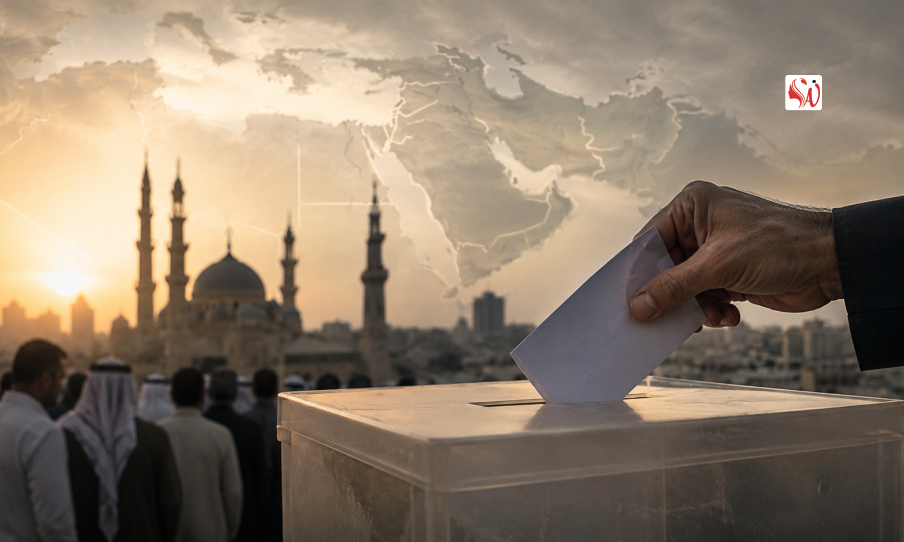
Change sweeps through the Levant, the Gulf, the stretch of North Africa. Headlines shout about wars, outside forces stepping in – yet behind those scenes, local politics shift things slowly. To see where these places head, watch votes more than weapons. In different countries, people and leaders join systems imperfect but real, shaping both home rules and ties abroad. Watch how voting plays out today across this region: some shifts stiff and guarded, others open and fiercely contested.
The Range of Strength and Stability in Democracy
Across the middle east elections, democracy looks different in each place. Not one pattern explains it all – some countries allow real public involvement, whereas elsewhere results feel carefully controlled. Take Iraq’s latest laws passed through parliament – they came only after long talks between rival ethnic and faith groups. Even with big obstacles standing in the way, certain populations like Kurds and Sunnis still turn out in large numbers at polling stations. Their presence suggests a deep wish to shape decisions. Though systems vary widely, voting now and then helps keep things steady locally while giving voices to distinct communities.
Yet official ballots in certain countries serve less to hear citizens and more to back decisions already made. Instead leaders hold votes to show stability and meet global expectations. While some parliaments feature fierce debates others simply approve outcomes shaped beforehand. Such differences reveal how power operates under distinct rules in different places. Depending on the system a single election can mean very little or reshape authority completely.
High Stakes Referendums Amid Regional Volatility during Middle East Elections
In highly competitive political systems, upcoming civic choices are evolving into monumental referendums on national security, domestic policy, and societal values. Israel provides a clear example of this dynamic, where the impending legislative vote serves as a vital test for the future of its social contract. This democratic process forces the public to grapple with fundamental domestic problems, such as mandatory military conscription exemptions and the independent oversight of intelligence investigations. Political coalitions must build unexpected partnerships across ideologically diverse factions, demonstrating how public campaigns can force governments to address deep-seated public grievances.
These high-stakes political contests are rarely insulated from broader geopolitical conflicts. Ongoing tensions, displacement, and security crises deeply influence voter psychology and the strategic platforms of competing parties. When citizens head to the polls under the shadow of regional instability, the core debate usually centers on the balance between national defense and civil liberties. Consequently, these particular middle east elections become crucial indicators of how societies process trauma, manage internal fragmentation, and redefine their foundational national goals.
Leadership Successions and Internal Institutional Voting
Democratic participation in the region during middle east elections is not exclusive to nationwide general public polling. Crucial shifts in leadership frequently happen through structured voting within specific political movements, revolutionary councils, or specialized legislative bodies. A clear example of this occurred during the recent internal leadership ballots held by the Palestinian faction Fatah. This conference brought together thousands of members across fragmented geographic locations to elect representatives for its central bodies, illustrating how organizations use structured voting to manage impending successions and maintain institutional unity during crises.
Similarly, unique constitutional bodies like Iran‘s Assembly of Experts demonstrate how clerical and elite voting structures manage shifts in top leadership. When unexpected vacancies occur in high office, these bodies utilize legal and constitutional protocols to select successors and preserve systemic stability. While these processes differ significantly from Western styles of representative democracy, they remain vital components of the regional governance framework. These specialized middle east elections show that institutional voting can be a tool for managing elite competition and securing continuity within highly centralized political regimes.
Youth Mobilization and the Evolving Digital Frontier
A massive demographic shift is fundamentally changing the nature of regional political campaigns and public engagement. Generation Z and millennial voters now make up the majority of the population in several countries, bringing a fresh set of priorities to the political arena. Young citizens are increasingly turning away from traditional partisan frameworks, choosing instead to focus on pressing economic issues like inflation, underemployment, and systemic corruption during middle east elections. Their political participation often begins through grassroots online networks before spilling over into formal voter registration and turnout at local polling stations.
Digital platforms and social media networks have become the new battlegrounds for political ideas and mobilization. Activists and reform-oriented candidates utilize digital spaces to bypass state-controlled traditional media, articulate innovative policy platforms, and organize get-out-of-the-vote drives. This digital evolution allows anti-establishment movements to build momentum rapidly and challenge entrenched political machines during middle east elections. As young people continue to leverage technology to demand transparency, their engagement ensures that the nature of political campaigning will become more decentralized, unpredictable, and responsive to the economic anxieties of the new generation.
The Broader Implications for Global Diplomacy
The outcomes of these diverse voting processes carry profound implications for international relations, trade agreements, and global energy security. When newly formed governments take office, their immediate foreign policy adjustments can either soothe regional rivalries or accelerate geopolitical friction. Western nations, regional heavyweights, and global superpowers closely watch these transitions to assess the future stability of bilateral security pacts and counter-terrorism initiatives. A shift in parliamentary majorities can rapidly alter a state’s willingness to engage in diplomatic normalization or honor cross-border economic treaties.
Furthermore, the perceived legitimacy of these political transitions directly impacts the flow of international development aid, foreign direct investment, and humanitarian support. Nations that demonstrate a commitment to transparent voting procedures and institutional accountability tend to build stronger partnerships with global financial bodies. In contrast, instances of severe political regression or heavily manipulated voting outcomes often trigger diplomatic isolation and economic sanctions. Ultimately, the evolving nature of middle east elections serves as a powerful reminder that domestic political choices reverberate far beyond national borders, directly shaping the architecture of global diplomacy.