Pediatric hematology-oncology is a field where science and humanity meet every single day. Behind every diagnosis is a child whose life has suddenly changed, a family searching for hope, and a team of medical professionals working together to create the best possible path forward. It is a profession that demands clinical expertise, patience, compassion, and the ability to make thoughtful decisions during some of the most challenging moments in a family’s life. Within this demanding yet deeply meaningful healthcare environment, specialists continue to shape better outcomes through advanced treatment, research, collaboration, and an unwavering commitment to the well-being of young patients.
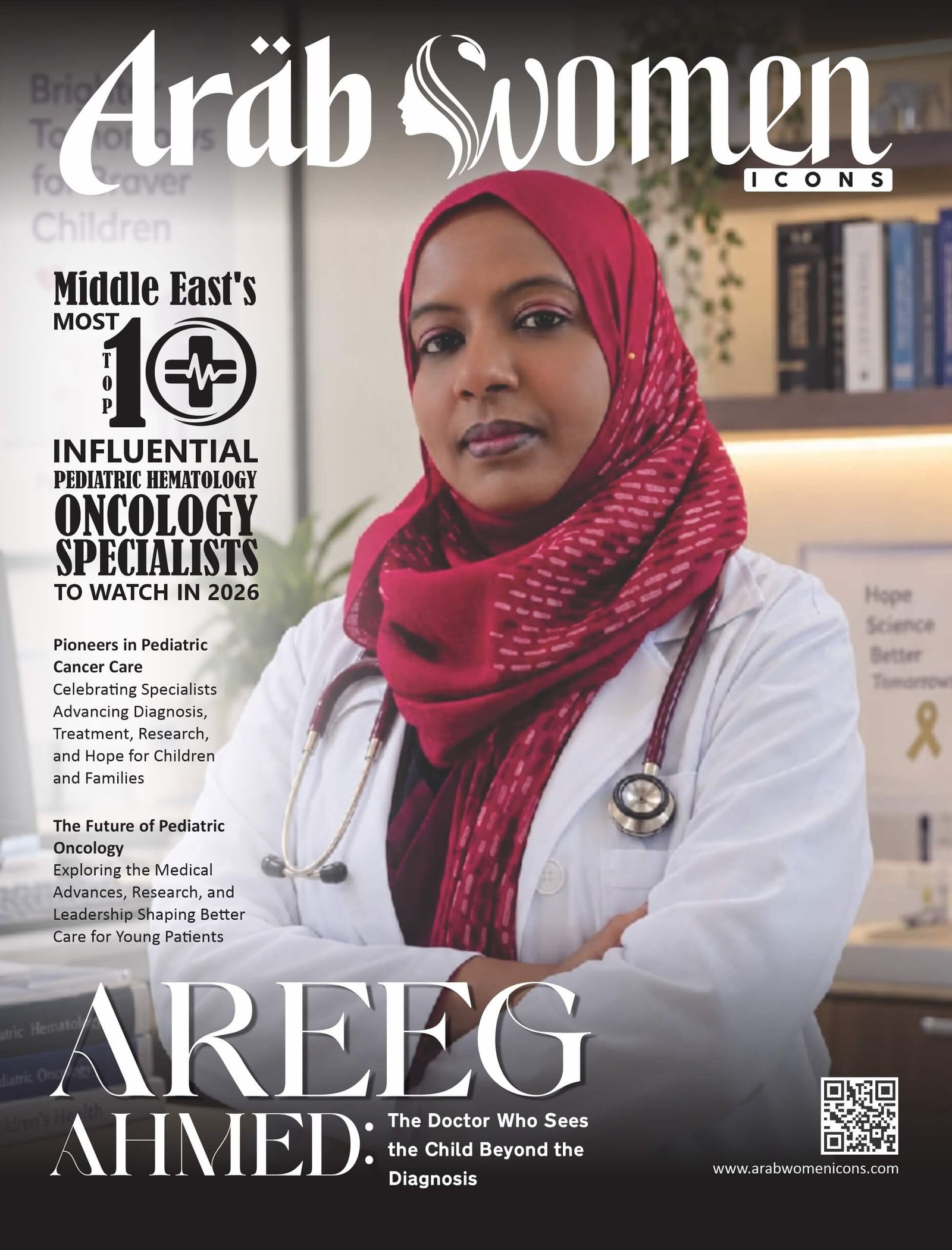
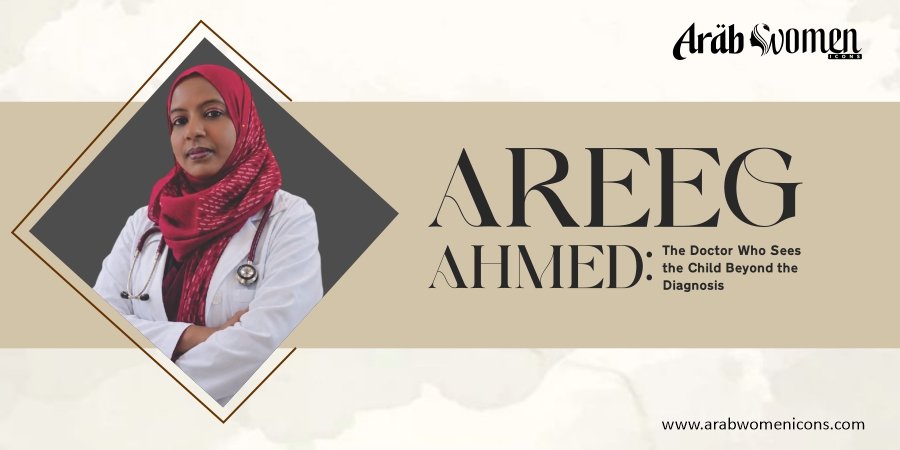
Among those dedicated professionals is Areeg Ahmed, a Pediatric Hematology Oncology Specialist at Sidra Medicine and Research Center previously , whose career spans more than a decade of caring for children with complex hematological and oncological conditions. Her work is centered on providing compassionate, patient-centered care while supporting children and their families through every stage of diagnosis, treatment, and recovery. With extensive experience across pediatric oncology and benign hematology, she brings a thoughtful clinical approach that combines medical knowledge with genuine understanding of the emotional journey each family experiences.
Throughout her professional journey, Areeg Ahmed has worked closely with multidisciplinary teams to deliver advanced and individualized treatment for children facing serious blood disorders and cancer. Her expertise extends across bone marrow transplantation, palliative care, clinical research, quality improvement, and internal audits, reflecting her commitment not only to improving patient outcomes but also to strengthening the standards of healthcare delivery. As medicine continues to evolve through innovation and collaborative care, she remains devoted to creating meaningful impact in the lives of children while contributing to a healthcare system where every young patient receives the opportunity to heal, grow, and look toward a healthier future.
A Career Path that Found Its Direction
Areeg Ahmed did not initially see pediatric hematology-oncology as her destination. During her pediatric training, she was fascinated by genetics and metabolism and also considered the fast-paced world of the Pediatric Intensive Care Unit and emergency care, as several of her mentors had suggested.
Her direction changed when she was offered a position in the pediatric oncology department of a prominent tertiary center in Sudan, a hospital that managed many of the country’s most complex cases. She decided to take the opportunity; a decision she remains grateful for.
From her first day in the department, Areeg felt a strong connection with the specialty. It suited both her personality and her skills. She found meaning in helping families through difficult moments, easing some of their stress, and bringing smiles back to their faces. Watching children overcome cancer and return to the joyful lives they once knew made the work deeply rewarding.
More than a career choice, the experience changed the way she saw her profession. The work can be demanding, but the difference she can make in the lives of children and their families has made the journey one she values deeply.
A Journey Across Three Healthcare Systems
Areeg Ahmed began her pediatric oncology career in 2015 at the oncology center in Khartoum, Sudan, where she worked for a year. Wanting to broaden her knowledge and experience, she moved to Saudi Arabia in 2016 and joined the Ministry of National Guard at King Abdullah Specialized Pediatric Hospital, King Abdulaziz Medical City, working in pediatric hematology-oncology.
The hospital received referrals from across Saudi Arabia, including complicated cases requiring advanced care. She spent three years there before moving to Qatar in 2019 to join Hamad Medical Corporation and begin her pediatric hematology-oncology fellowship.
After completing her fellowship training in 2022, Areeg became a specialist at Sidra Medicine, continuing her work in pediatric hematology-oncology. Today, she is preparing for another move as she looks to take the next step in her career.
Areeg Ahmed held further qualifications including MSc in clinical research for Warwick University and diploma in palliative care from American university in Beirut
During this period, she attend multiple conferences and workshops, and had extra courses to augment her knowledge .
Learning From Different Cultures and Communities
More than a decade in pediatric hematology-oncology has given Areeg experience that extends well beyond clinical knowledge. Working in Sudan, Saudi Arabia, and Qatar exposed her to different populations, cultures, healthcare systems, rules, and laws.
Those experiences taught her to respect people’s cultures and beliefs and to approach each family without judgment. Understanding what people need and finding ways to meet those needs became an important part of her role. Moving between different communities also strengthened her flexibility and ability to adapt, while teaching her to learn new systems quickly and work within local guidelines.
Areeg Ahmed clinical experience grew alongside this cultural understanding. She encountered a wide range of cases and saw how children could respond differently to treatment based on their individual characteristics and genetic backgrounds. Working in large institutions also gave her the opportunity to learn from senior specialists with years of experience.
Lessons From Young Patients
Areeg Ahmed’s connection with pediatric hematology-oncology has always been rooted in the children themselves. Their honesty and innocence, together with the strength and determination they show while facing illness, inspired her to continue in the field.
Her patients have also been her teachers. Each day brought another lesson, often through the way children faced difficult circumstances with remarkable resilience. Seeing them recover and being able to share those moments with their families continues to bring her immense joy.
Medicine with Understanding and Compassion
Balancing medical decisions with the emotional needs of a child and family is one of the most difficult parts of Areeg’s work. There are situations where a clinical decision may not be easy for a child or family to accept, even when it is considered the best option for the patient.
Areeg believes that families need to understand why a decision has been made, what it means, and what other treatment options may be available. Giving them that understanding allows parents and, when old enough, the child to take part in the final decision. That involvement can make the treatment journey easier to accept.
Medical care, however, is only one part of what families need. Areeg and her team also provide emotional and social support, recognising that a cancer diagnosis can be devastating and that the treatment journey can bring its own set of challenges.
When Routine Cases Become Complex
Pediatric hematology-oncology brings a wide range of difficult cases, and Areeg has learned that a case does not have to be rare to be challenging. Even conditions encountered regularly can become complicated when patients struggle to follow treatment plans or when families are difficult to engage.
Chronic pain in children with sickle cell anemia is one example. Recurrent crises, particularly when medication is not taken consistently, can make pain increasingly difficult to control. The more frequent the crises, the greater the challenge in managing them effectively.
Within oncology, advanced cancers and relapsed disease often present the most difficult situations. Such cases may require consultation with colleagues, while newer medications through clinical trials or existing medicines used off-label can sometimes offer additional options. Close follow-up remains essential to understand how each child responds.
No Single Hand Can Do It Alone
Areeg Ahmed sees multidisciplinary care as essential to treating children successfully. She compares a multidisciplinary team to hands, noting that one hand alone is never enough to clamp. Every member has a role, and overlooking any part of the team can have serious consequences.
The value of collaboration can be seen throughout a child’s treatment. A dietitian, for example, plays an important role in maintaining a child’s health during chemotherapy. Without proper nutritional support, a child may face serious complications and struggle to tolerate treatment.
New Possibilities in Pediatric Care
Bone marrow transplantation, gene therapy, immunotherapy, and CAR T-cell therapy have already changed the possibilities available to children with hematological and oncological diseases.
Areeg Ahmed sees these treatments as important advances that can improve outcomes and increase the chances of cure. Their impact extends to children with advanced or relapsed disease as well as those living with congenital hematological disorders. As these approaches continue to develop, they are opening new paths for patients who once had far fewer options.
She hopes that to see future with less toxic chemotherapy, more immune and target therapy which has less side effect and long term complications
Research that Can Change What Comes Next
Much of what is possible in oncology today exists because of research and clinical trials carried out over many years. Areeg believes that without this work, cancer might still be viewed as a universally fatal disease with little hope of effective treatment.
That makes continued research essential. Genetics and precision medicine are areas she sees as having significant potential to shape the future of cancer treatment. She is also particularly interested in the tumor microenvironment and the way the immune system interacts with cancer, areas that she believes deserve greater attention.
Finding Another Path When Treatment Fails
When conventional treatment does not achieve the desired result, or when a child experiences relapse, Areeg considers alternative approaches based on the individual case. These may include second-line chemotherapy, targeted therapy, locally injected chemotherapy, surgery, or radiotherapy.
Advances in surgery have also expanded what can be treated effectively. Today, surgeons can use increasingly sophisticated techniques to address tumors in sensitive locations, including the brain, giving some children options that may not have been possible in the past.
Closing the Distance Between Discovery and Care
Areeg Ahmed sees a growing world of opportunity in pediatric hematology-oncology. Access to knowledge is no longer the barrier it once was. New discoveries, information, and technologies from around the world are increasingly accessible to healthcare professionals.
The greater challenge, in her view, will be ensuring that access to quality healthcare is consistent. Financial pressures can place considerable strain on healthcare systems and, in some situations, prevent patients and families from receiving the advanced care they need.
Areeg Ahmed also believes more attention must be given to how Middle Eastern populations respond to treatment. Local research remains limited, yet understanding these differences is important when developing approaches that truly reflect the needs of the region.
A Vision That Begins in Sudan
Areeg Ahmed’s vision for the future is closely connected to the impact one healthy child can have. She sees every child who regains their health as a future contributor to society, someone who can bring happiness and possibility to a family and, in time, to the wider community.
Part of that commitment involves educating communities about cancer, including its risk factors and the steps that can help reduce or minimize them as well as education for health care professional to recognize early red flag pointing to cancer in children which will lead to early detection and diagnosis which have great impact on child treatment decision and prognosis .
Areeg Ahmed larger dream reaches back to her home country. Areeg hopes to establish a state-of-the-art pediatric oncology center in Sudan that includes a Bone Marrow Transplant department. Sudan currently lacks this level of specialized care, and she believes every person should have access to the best treatment available. Making that vision a reality, she believes, could bring hope to countless families while helping transform the country’s healthcare landscape.