Style is changing fast now that caring for the planet matters more than ever before. Noticing harm caused by cheap clothes pushes people toward smarter choices. Instead of ignoring old materials, some makers see fresh potential hiding within them. Turning leftover cloth, unused stock, or worn jackets into something new reshapes how design works. It takes sharp eyes, clever thinking, plus bold moves to stand out without copying others. Waste becomes worth when creativity meets purpose in every cut and stitch made. Success shows not through trends followed but through habits changed one piece at a time.
The Base of Finding and Choosing Creative Work
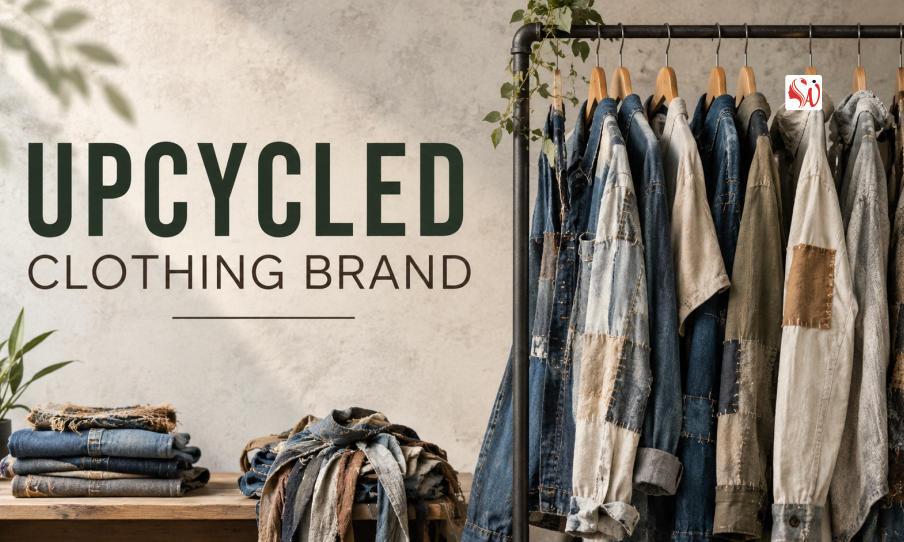
Starting something new with old clothes means finding enough material each week. Most regular brands buy cloth straight from suppliers using standard orders. Not so here – hunt down resources wherever they hide, like secondhand shops across town or warehouses full of unused stock. Links form slowly with recyclers who sort through tons of leftover textiles. Old jackets carry past lives; torn denim holds quiet possibilities. Seeing what could be, even in a faded collar or frayed cuff, shapes the whole idea. Start with what’s broken, then build from there. Flaws such as uneven wear, patchy color shifts, or rough patches aren’t hidden – they shape the look. Each item takes form only once, never repeated. Because materials arrive without pattern or plan, repetition becomes impossible. One-of-a-kind isn’t claimed, it simply happens. Buyers notice – not because of rarity alone, but because something real shows through.
Crafting a Compelling and Transparent Narrative
In the saturated world of digital commerce, modern consumers do not just buy products; they buy stories and values. For an upcycled clothing brand, authenticity and radical transparency are the absolute cornerstones of effective marketing. Customers want to know exactly where their garments came from, how they were processed, and who remade them into something new. A successful upcycled clothing brand uses its digital platforms to showcase the entire transformation process, offering a behind-the-scenes look at the labor-intensive journey from discarded textile to wearable art. Documenting this creative process through engaging storytelling not only educates the public on textile waste but also justifies the premium pricing that artisanal, reconstructed garments often require. When an upcycled clothing brand can clearly demonstrate the craftsmanship involved in cutting, pattern-making, and sewing disparate pieces of fabric together, the final product ceases to be viewed as mere secondhand clothing and is instead elevated to the status of a wearable luxury art piece.
Navigating the Hurdles of Production and Scale
Scaling a business that relies entirely on unique, non-uniform raw materials presents a distinct set of operational hurdles that traditional fashion lines never have to face. An upcycled clothing brand cannot easily rely on standardized, assembly-line factory production because no two pieces of incoming material are exactly identical in size, weight, or fiber composition. To overcome this hurdle, a growing upcycled clothing brand must develop flexible design frameworks rather than rigid, identical patterns. For example, a brand might specialize in a specific silhouette, such as a patchwork jacket or a corseted top, allowing the internal design elements to adapt dynamically based on the specific scraps available at the time. Additionally, collaborating with local independent tailors, sewing cooperatives, or small-batch ethical factories allows an upcycled clothing brand to scale up its production capabilities while maintaining strict quality control and supporting the local creative economy. Embracing these flexible manufacturing methods ensures that the business can grow steadily without compromising its core environmental mission.
Building Community and Ensuring Long-Term Impact
The ultimate goal of any forward-thinking upcycled clothing brand is to cultivate a deeply loyal community of advocates who are actively invested in the broader circular economy movement. Beyond simply selling beautifully remade jackets or dresses, an impactful upcycled clothing brand fosters ongoing dialogue around garment longevity, conscious consumption, and personal style over fleeting trends. This can be achieved by hosting interactive mending workshops, launching take-back programs where customers return worn items for store credit, or collaborating with local artists on special capsule collections. By actively engaging with its audience in these meaningful ways, an upcycled clothing brand transforms the traditional relationship between retailer and consumer into a collaborative partnership focused on sustainability. As the global demand for environmentally responsible fashion continues to surge, the future belongs to those visionary creators who can turn the industry’s waste into beautiful, enduring statements of style.